A continuous conveyor moves goods or bulk material in a steady and uninterrupted flow along a fixed route. It doesn’t carry separate loads or move in start-stop steps. Belt, roller, chain and screw conveyors are all common examples. They’re built for high and consistent throughput on the same path all day long.
This guide covers how continuous conveyors work and how they compare to intermittent systems. It also covers the main types, where they fit in pharmaceutical lines and what they cost.
What Is a Continuous Conveyor?
A continuous conveyor is any system where the carrying surface keeps moving while product is loaded and unloaded. Material goes on at one point and comes off at another. The conveyor never waits for it.
The Continuous Path: How Continuous Conveyors Differ From Other Conveying Methods
Three things define a continuous conveyor:
- Fixed route: Product follows the same continuous path every time.
- Constant motion: The belt or chain keeps running even between items.
- Steady flow: Throughput depends on speed and spacing rather than on trips or cycles.
Discontinuous equipment works differently. Forklifts, AGVs and lifts move one load at a time and then return for the next.
Continuous conveyors handle two kinds of material:
- Unit loads such as cartons, totes, vials and cases.
- Bulk material such as powders, grains, pellets and aggregates.
Key Components of a Continuous Conveyor
- Drive: A motor and gearbox that power the system.
- Carrying surface: The surface that moves the product. Common options are belts, rollers and chains. Slats and screws are also used.
- Frame: The structure that supports everything.
- Pulleys and sprockets: They guide and tension the belt or chain.
- Controls: Speed drives, sensors and PLCs that manage flow.
How Does a Continuous Conveyor Transport Goods?
How a Belt Conveyor Moves Goods Along a Continuous Path
A belt conveyor is the simplest way to see the principle at work. A loop of belt wraps around a drive pulley at one end and a tail pulley at the other. The motor turns the drive pulley. Friction pulls the belt along. Anything sitting on the belt rides with it.
The belt returns underneath and comes back around. That loop is what keeps the motion continuous.
Controlling Speed, Spacing and Flow
A continuous conveyor still needs control. The usual tools are:
- Variable frequency drives (VFDs): They adjust belt speed to match upstream and downstream equipment.
- Spacing and metering: Timing screws and star wheels set consistent gaps between items.
- Accumulation: Zones or tables hold product when the next machine slows down.
- Sensors: Photo eyes track product and trigger diverts or stops.
Continuous vs. Intermittent Conveyors: What’s the Difference?
An intermittent (or indexing) conveyor moves product a set distance and then stops. Work happens during the stop. Then it moves again.
| Factor | Continuous | Intermittent (indexing) |
| Motion | Constant | Start-stop |
| Throughput | Higher | Lower |
| Product handling | Smooth with less jarring | Repeated acceleration and braking |
| Positioning precision | Harder | Easier |
| Mechanical complexity | Often simpler to run | More wear on drives from cycling |
| Typical uses | Transport, packaging and bulk handling | Assembly, filling and stationary work |
When Intermittent (Indexing) Motion Makes More Sense
- A task needs the product to be completely still.
- Each station needs exact positioning.
- Cycle time depends on a slow process such as a press fit or a dwell time.
- Throughput is modest and precision matters more than speed.
What Are the Main Continuous Conveyor Types?
Belt Conveyors
Belt conveyors are the most common continuous conveyor type. They handle cartons, bags and loose items along with bulk material. They also work well on inclines. Belt materials include rubber, PVC, fabric and modular plastic for food and pharma use.
Roller Conveyors (Powered)
Powered roller conveyors drive the rollers with a line shaft, chains or motorized drive rollers (MDR). They’re common in distribution centers for cartons and totes. MDR systems also make zero-pressure accumulation easy.
Chain and Slat Conveyors
Chain conveyors carry heavy loads like pallets and drums. Slat and tabletop chain conveyors carry bottles and containers on packaging lines.
Spiral Conveyors
Spiral conveyors move goods up or down in a tight helix. They keep a continuous flow between levels while using very little floor space. They’re common in food plants and in distribution centers with mezzanines.
Screw Conveyors
A rotating helical screw inside a trough or tube pushes bulk material forward. Screw conveyors handle powders, grains and granules. They also meter material at a controlled rate.
Bucket Elevators
Buckets attached to a belt or chain scoop bulk material and lift it vertically. They’re standard in agriculture, mining and cement.
Pneumatic Conveyors
Air pressure or vacuum moves powders and granules through closed pipes. The enclosed design keeps material contained. That makes them a common choice for pharma and food powders.
Continuous Vertical Conveyors (CVCs)
A CVC uses multiple carriers on a chain loop that travels continuously between floors. A vertical reciprocating conveyor (VRC) is different. It uses one platform that moves up and down like an elevator. According to Material Handling Technologies, a VRC tops out around 3 cases per minute. A CVC can handle 10 to 15.
Continuous Conveying Technology in Pharmaceutical Manufacturing
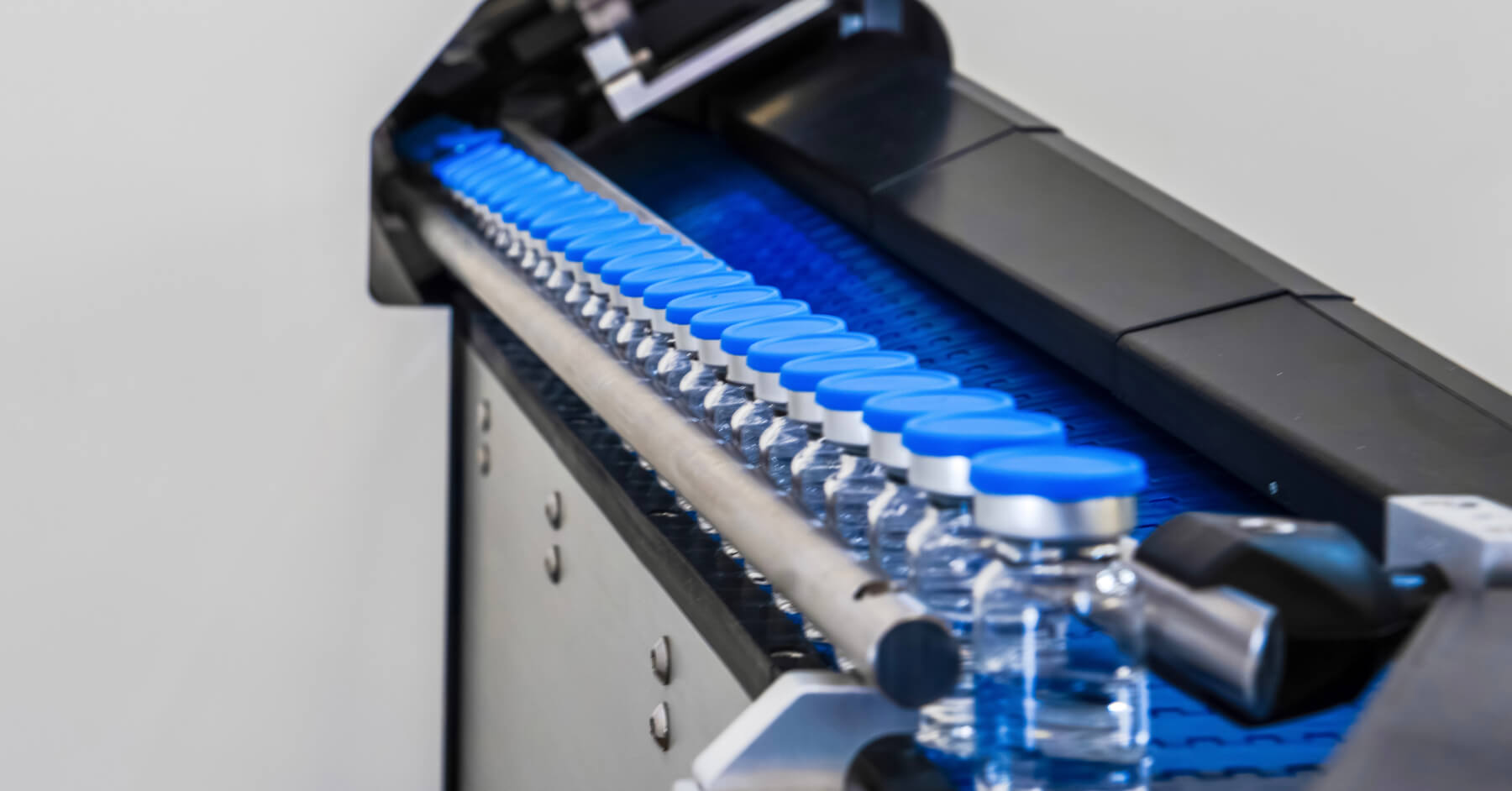
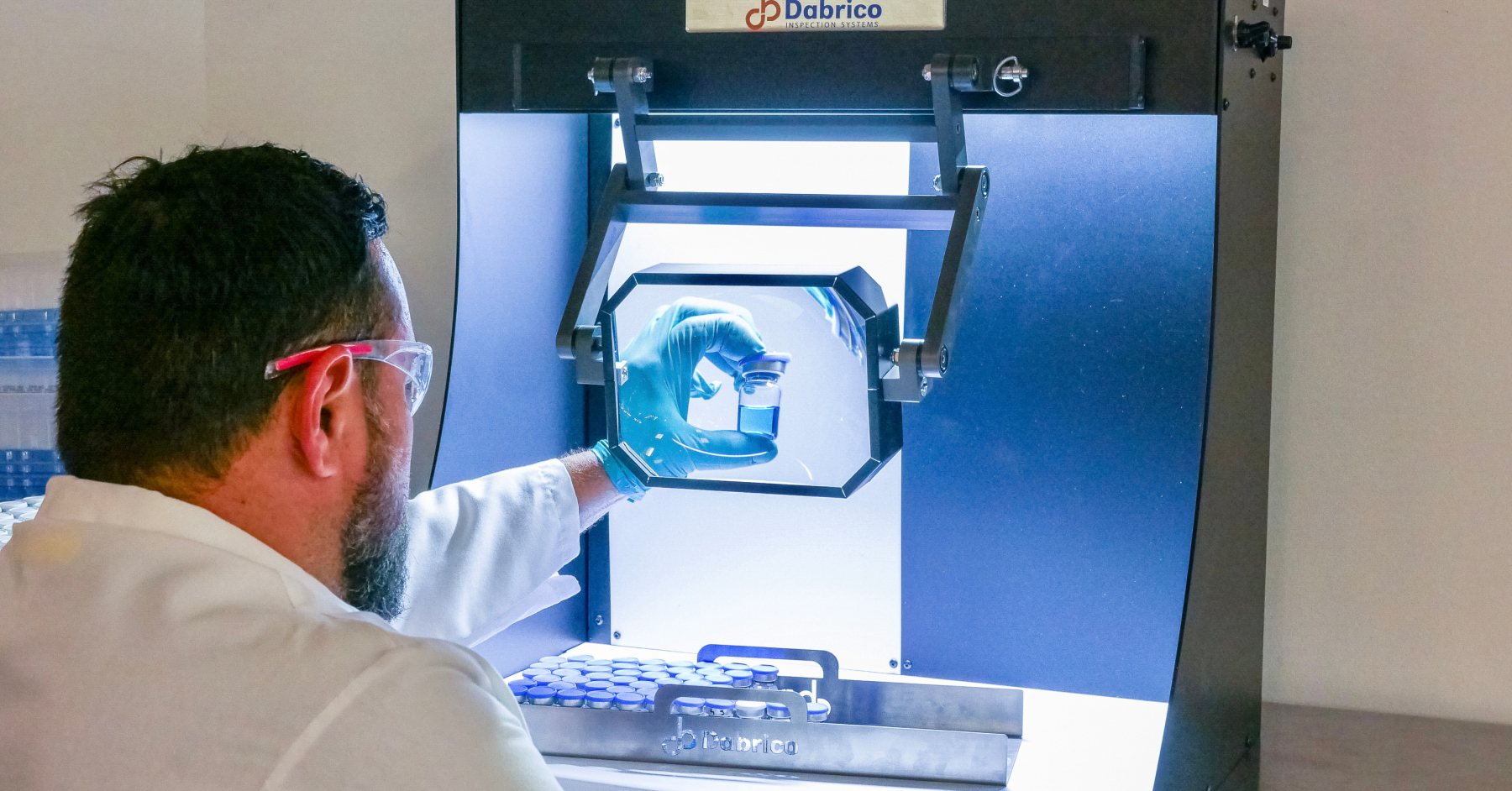
Pharma lines rely on conveyors from start to finish. Vials, syringes and cartridges move from filling to capping and labeling. They also pass through inspection and packaging. The choice between continuous and intermittent motion affects speed and product handling. It also affects inspection results.
Continuous vs. Intermittent Motion on Filling and Inspection Lines
- High-speed lines often use continuous rotary motion. Star wheels and turrets carry containers through each station without stopping.
- Intermittent lines stop each container at a station. That makes precise positioning easier. It costs throughput.
- Product agitation matters. Every stop and start shakes the liquid inside the container. That can create bubbles or shift particles in ways that affect inspection.
Particle inspection has its own rules. Containers are usually spun and then stopped so the liquid keeps moving while the container is still. Cameras then capture particles in motion. The conveying system has to deliver that spin and stop consistently every single time. If it doesn’t, inspection results start to drift.
How Conveyor Automation Affects Product Handling and Inspection
In most plants inspection sits inline with the rest of the line. Conveyor belts, accumulation tables and turntables keep product flowing from one stage to the next. Good conveyor automation keeps that flow steady:
- Consistent spacing gives each container the same time in front of the cameras.
- Gentle transfers reduce tip-overs and glass-to-glass contact.
- Accumulation buffers stop an upstream slowdown from starving the inspection machine.
- Quick changeover lets one line handle several container formats.
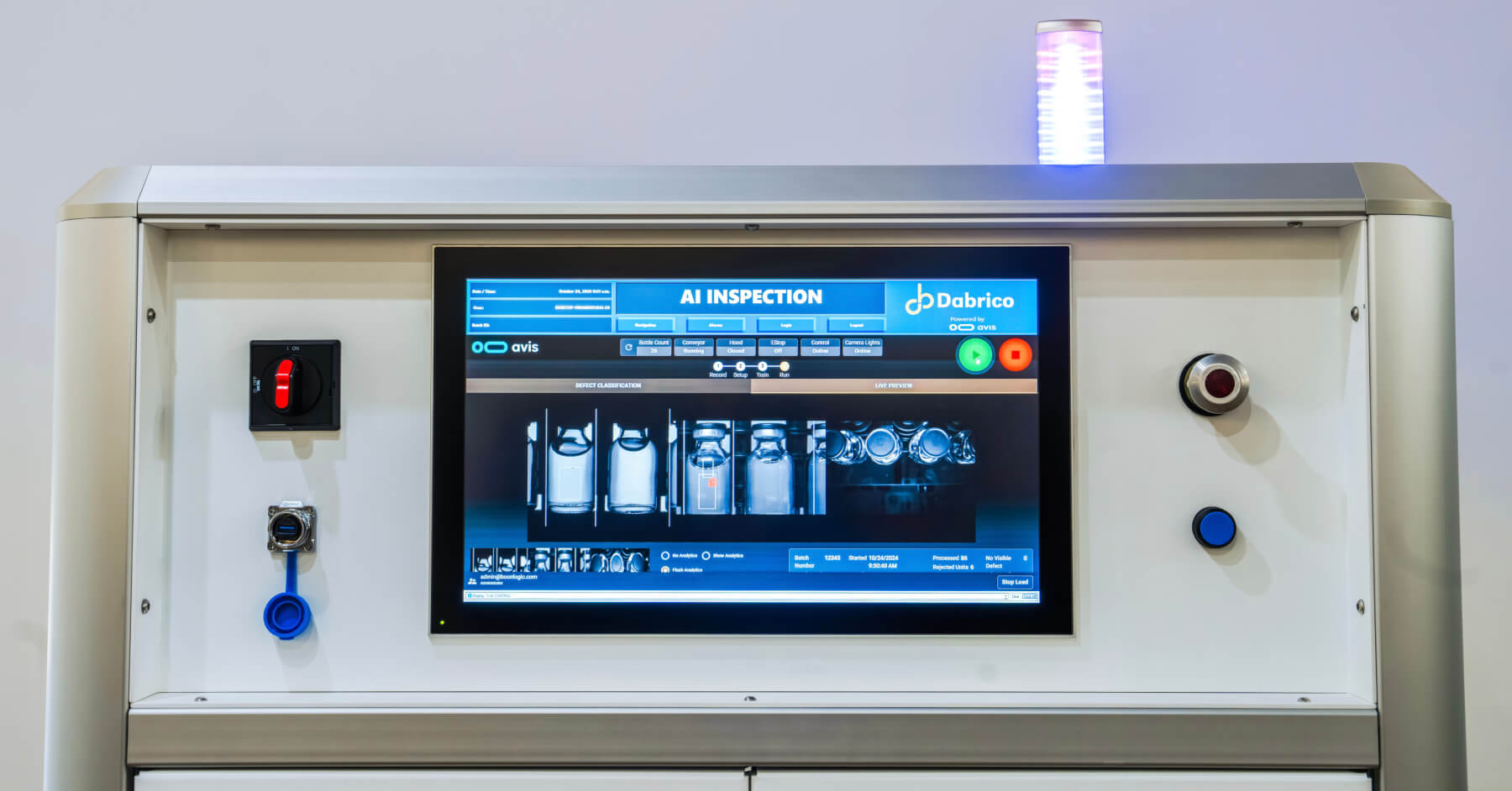
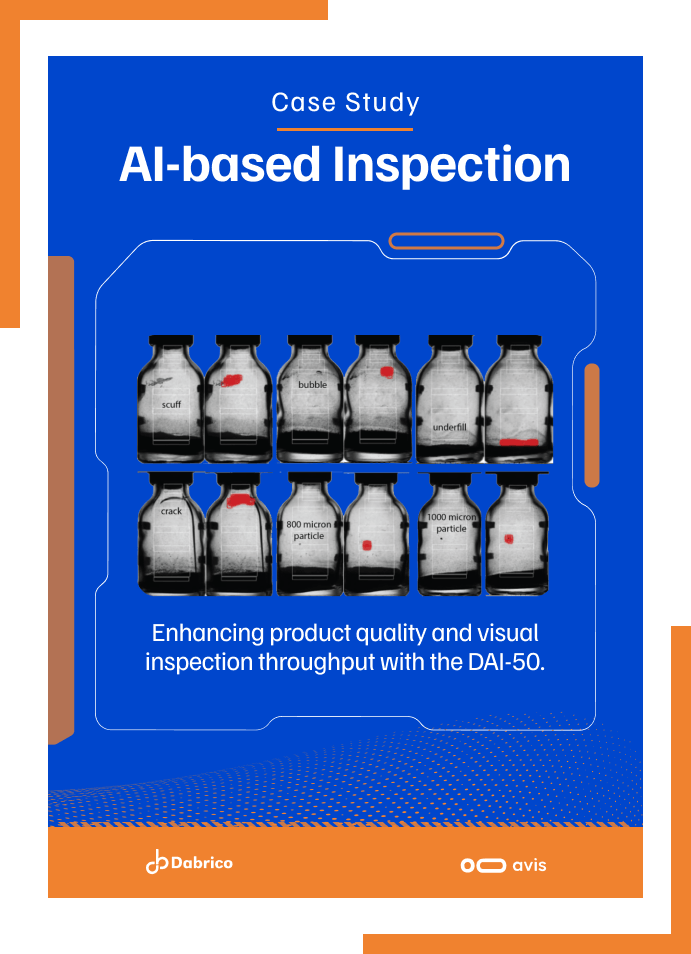
That last point matters more than most people expect. Our DAI-50 is a medium-speed inspection system built to be reconfigured for new product types in minutes. That flexibility only pays off when the conveyors feeding it can switch formats just as quickly.
Pros and Cons of a Continuous Conveyor
Advantages
- High throughput: Product never waits for a return trip.
- Consistency: Speed and spacing stay predictable.
- Lower labor: Fewer people move product by hand.
- Easy to automate: Continuous conveyors connect cleanly to sensors and PLCs along with the machines up and down the line.
- Gentle handling: Constant motion avoids repeated jolts.
Disadvantages
- Fixed layout: Changing the route takes real work.
- Energy use: Drives run constantly.
- Wear: Belts, chains and bearings need regular upkeep.
- Single point of failure: One stopped section can halt the whole line.
- Upfront cost: Powered systems cost far more than gravity conveyor.
How Much Does a Continuous Conveyor Cost?
Here are typical 2026 equipment prices per linear foot from WarehousingCosts.com:
| Conveyor type | Cost per linear foot |
| Powered belt | 100–350 |
| Powered roller (line shaft) | 150–400 |
| Motorized drive roller (MDR) | 200–500 |
| Chain-driven pallet conveyor | 300–700 |
Spiral conveyors, CVCs and pneumatic systems are usually quoted by the project.
Equipment is only part of the budget. The same source puts equipment at roughly 50% to 65% of total project cost. The rest covers installation and controls. It also covers programming and integration.
Main cost drivers:
- Length, width and load capacity
- Belt or chain material (sanitary and stainless builds cost more)
- Inclines, curves and elevation changes
- Controls, sensors and accumulation logic
- Integration with existing equipment and software
- Cleanroom or washdown requirements
How to Choose the Right Conveyor Type for Your Operation
Is a Continuous Conveyor the Right Fit?
A continuous conveyor is likely a good fit if most of these apply:
- [ ] Volume is high and steady.
- [ ] Product follows the same route every time.
- [ ] The layout won’t change often.
- [ ] Product can be handled while moving.
- [ ] The line connects to other automated equipment.
- [ ] Reducing manual handling is a priority.
An intermittent system or a simpler gravity setup may be better if you need the product completely still at each station. The same goes for low volume or a layout that changes often.
Where Continuous Conveyors Are Used to Transport Goods
- Distribution and e-commerce: Carton and tote transport, sortation and spirals between levels.
- Food and beverage: Sanitary belt conveyors and spiral cooling or freezing lines.
- Mining and bulk: Long belt runs, bucket elevators and screw conveyors.
- Packaging: Tabletop chain and belt conveyors that link fillers, cappers and case packers.
- Pharmaceuticals: Container handling through filling, inspection and packaging, plus pneumatic transfer of powders.
Continuous Conveyor FAQs
Is a belt conveyor a continuous conveyor? Yes. A belt conveyor is the textbook example. The belt runs in a constant loop and carries product without stopping.
What’s the difference between a continuous conveyor and a CVC? A CVC is one specific kind of continuous conveyor. It moves goods vertically between floors. “Continuous conveyor” covers every conveyor type with uninterrupted flow.
Can a continuous conveyor stop and start? Yes. It can stop for jams, accumulation or shutdowns. What makes it continuous is that it’s designed to run steadily during normal operation.
What are spiral conveyors used for? Spiral conveyors move goods between levels in a small footprint. They also give product extra time on the conveyor. That’s why food plants use them for cooling and freezing.
Final Thoughts: Is Continuous Conveying Technology Right for Your Line?
A continuous conveyor is the right call when volume is high and the route stays the same. It also fits when product can be handled on the move. It costs more upfront than gravity conveyor. It pays that back in throughput and labor savings.
In pharmaceutical manufacturing the decision goes beyond speed. The way containers move affects how they behave at filling and inspection. Getting the conveying right is part of getting quality right.



![[2026 Rankings] - Best Accumulation Tables and Accumulation Conveyors By Application (1)](https://dabrico.com/wp-content/uploads/2026/07/2026-Rankings-Best-Accumulation-Tables-and-Accumulation-Conveyors-By-Application-1.jpg "[2026 Rankings] - Best Accumulation Tables and Accumulation Conveyors By Application (1)")