FDA 21 CFR Part 11 Guidelines in Pharmaceutical Manufacturing
In pharmaceutical manufacturing, FDA 21 CFR Part 11 establishes the criteria under which electronic records and electronic signatures are considered trustworthy, reliable, and equivalent to paper records. These guidelines are central to ensuring data integrity across critical processes such as batch record management, quality control testing, and automated inspection systems. Compliance with Part 11 is not optional. It is a foundational requirement for maintaining regulatory approval and audit readiness.
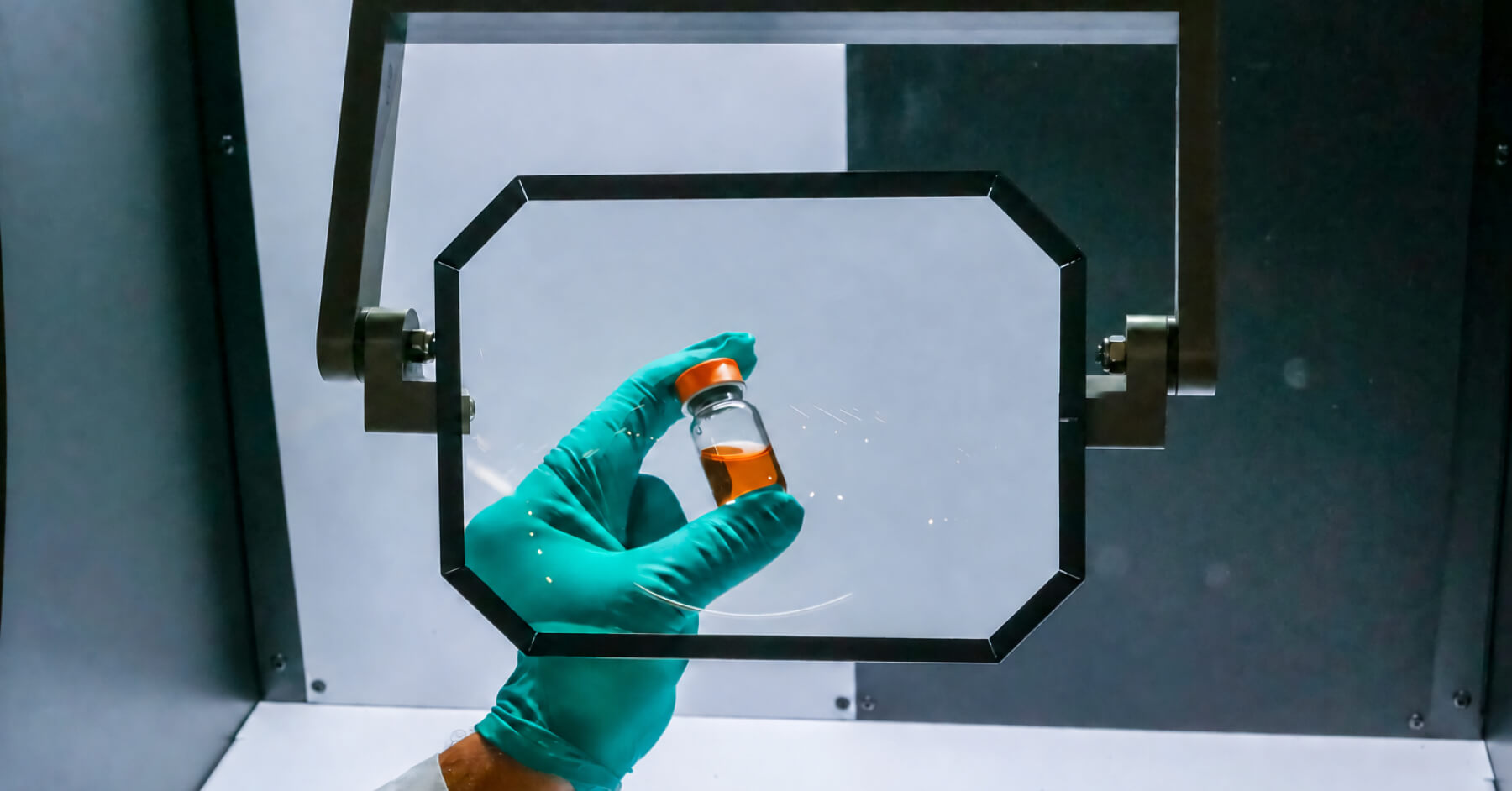
At its core, Part 11 focuses on system validation, secure user access, audit trails, and the ability to generate accurate and complete records throughout the product lifecycle. For pharmaceutical manufacturers, this means implementing controls that prevent unauthorized data manipulation while maintaining full traceability of any changes. Whether applied to manufacturing execution systems (MES), laboratory information management systems (LIMS), or AI-driven inspection technologies for sterile injectables, adherence to these guidelines ensures both compliance and confidence in the integrity of the data supporting product quality and patient safety.
21 CFR Part 11 Compliance Checklist
The 21 CFR Part 11 compliance checklist serves as a practical tool for assessing how well an organization meets the requirements defined in 21 CFR Part 11. It offers a structured set of questions designed to guide the evaluation of electronic records and electronic signature systems for regulatory compliance.
1. Governance & Applicability
- Do you maintain a complete inventory of all GxP computerized systems, including instruments and spreadsheets?
- Is each system mapped to applicable predicate rules and intended use?
- Have you documented whether each record is relied upon electronically or via paper?
- Do you maintain a formal Part 11 applicability matrix for all systems?
- Is there a data governance policy aligned with ALCOA+ principles?
- Are roles and responsibilities for data integrity clearly defined?
- Is management accountability for data integrity formally established?
2. System Validation & Lifecycle Control
- Is each system validated for accuracy, reliability, and consistent performance?
- Can the system detect invalid or altered records?
- Does validation cover configurations, interfaces, and data flows?
- Is a documented risk-based validation approach used?
- Have you reviewed supplier validation documentation where applicable?
- Is there a defined system lifecycle (URS through release)?
- Are change controls implemented with documented impact assessments and testing?
- Is system documentation version-controlled with an audit trail?
3. Audit Trails & Data Integrity
- Are secure, computer-generated, time-stamped audit trails enabled?
- Do audit trails capture all create, modify, and delete actions?
- Do audit trail entries include user ID, timestamp, and reason for changes?
- Are previous records preserved and not overwritten?
- Are audit trails retained for the full record lifecycle?
- Is there an SOP defining audit trail review responsibilities and frequency?
- Is audit trail review performed before batch release or critical decisions?
- Are metadata and dynamic data preserved alongside records?
- Are electronic records retained in dynamic format rather than static printouts?
4. Access Control & Security
- Does each user have a unique login with no shared accounts?
- Is role-based access control implemented using least privilege principles?
- Is administrative access restricted and controlled?
- Are authority checks in place to prevent unauthorized actions?
- Are password policies enforced, including expiration and complexity?
- Does the system prevent duplicate user credentials?
- Are procedures in place for password reset, revocation, and termination?
- Does the system detect and report unauthorized access attempts?
- Are security events investigated and documented?
- Are devices that store credentials tested initially and periodically?
5. Electronic Signatures
- Are electronic signatures restricted to authorized individuals?
- Does each user have a unique electronic signature?
- Is user identity verified before assigning electronic signatures?
- Are electronic signatures protected from misuse or sharing?
- Do signatures require at least two authentication components?
- Are signature components required appropriately across sessions?
- Are signatures prevented from being reassigned or reused?
- Do signatures include printed name, date/time, and meaning?
- Are signatures permanently linked to their corresponding records?
- Has electronic signature certification been submitted to the FDA?
- Is a non-repudiation agreement in place?
6. System Controls (Closed & Open Systems)
- Is system access limited to authorized individuals only?
- Are operational checks used to enforce proper process sequence?
- Are authority checks implemented for critical actions?
- Are device checks performed to validate data input sources?
- Is system documentation access restricted and controlled?
Open Systems (if applicable)
- Are encryption controls used for data in transit and at rest?
- Are digital signature standards implemented where required?
- Are controls in place to ensure data integrity and confidentiality during transmission?
7. Record Integrity, Copies & Inspection Readiness
- Can the system generate accurate and complete copies of electronic records?
- Are records available in both human-readable and electronic formats?
- Are audit trails included when records are exported for inspection?
- Are inspection-ready export procedures documented and tested?
- Are dynamic records available for FDA inspection rather than static summaries?
8. Record Retention, Backup & Recovery
- Are retention periods defined according to predicate rules?
- Are records protected from unauthorized alteration?
- Are records readily retrievable throughout their retention period?
- Do backups include metadata and audit trails?
- Are backups secured against tampering or loss?
- Are backup restoration tests performed regularly?
- Is there a documented and tested disaster recovery plan?
- Does archival storage ensure long-term accessibility of records?
9. SOPs, Training & Accountability
- Are SOPs established for system use, security, audit trails, and data integrity?
- Are users trained on electronic signature responsibilities?
- Are users trained on data integrity principles and procedures?
- Are training records maintained and current?
- Are policies in place holding users accountable for actions under their electronic signatures?
- Are personnel qualified for their assigned roles?
10. Vendor & Cloud Oversight
- Are suppliers formally qualified before use?
- Do quality agreements clearly define roles and responsibilities?
- Do contracts ensure access to data and audit trails throughout retention?
- Do agreements include provisions for change control and incident notification?
- Is there a defined data migration and exit strategy for vendors?
- Are cloud/shared responsibility models documented?
- Do vendors support Part 11 compliance requirements?
11. Data Migration & Legacy Systems
- Are data migration processes validated before execution?
- Does migration preserve metadata, audit trails, and data relationships?
- Are legacy systems assessed for Part 11 and data integrity risks?
- Are archived systems accessible for inspection during retention?
12. Time & System Integrity Controls
- Are system clocks synchronized with a trusted time source?
- Are changes to system time restricted and logged?
- Are time zone conventions clearly defined and documented?
- Are timestamps consistent across systems?
13. Continuous Monitoring & Metrics
- Are audit trail review completion rates tracked?
- Are access control metrics monitored (e.g., elimination of shared accounts)?
- Are backup success rates and restore test results tracked?
- Are change control effectiveness metrics monitored?
- Are periodic system reviews conducted?
- Are mock audits or inspection readiness drills performed?




![[2026 Rankings] - Best Accumulation Tables and Accumulation Conveyors By Application (1)](https://dabrico.com/wp-content/uploads/2026/07/2026-Rankings-Best-Accumulation-Tables-and-Accumulation-Conveyors-By-Application-1.jpg "[2026 Rankings] - Best Accumulation Tables and Accumulation Conveyors By Application (1)")