Machine vision inspection applications in the USA are used throughout manufacturing to improve quality, reduce the burden of manual inspection, and keep production moving efficiently. The examples below show where these systems are commonly used, the challenges they help solve, the types of machine vision approaches involved, and some of the providers working in each area.

Pharmaceutical Industry
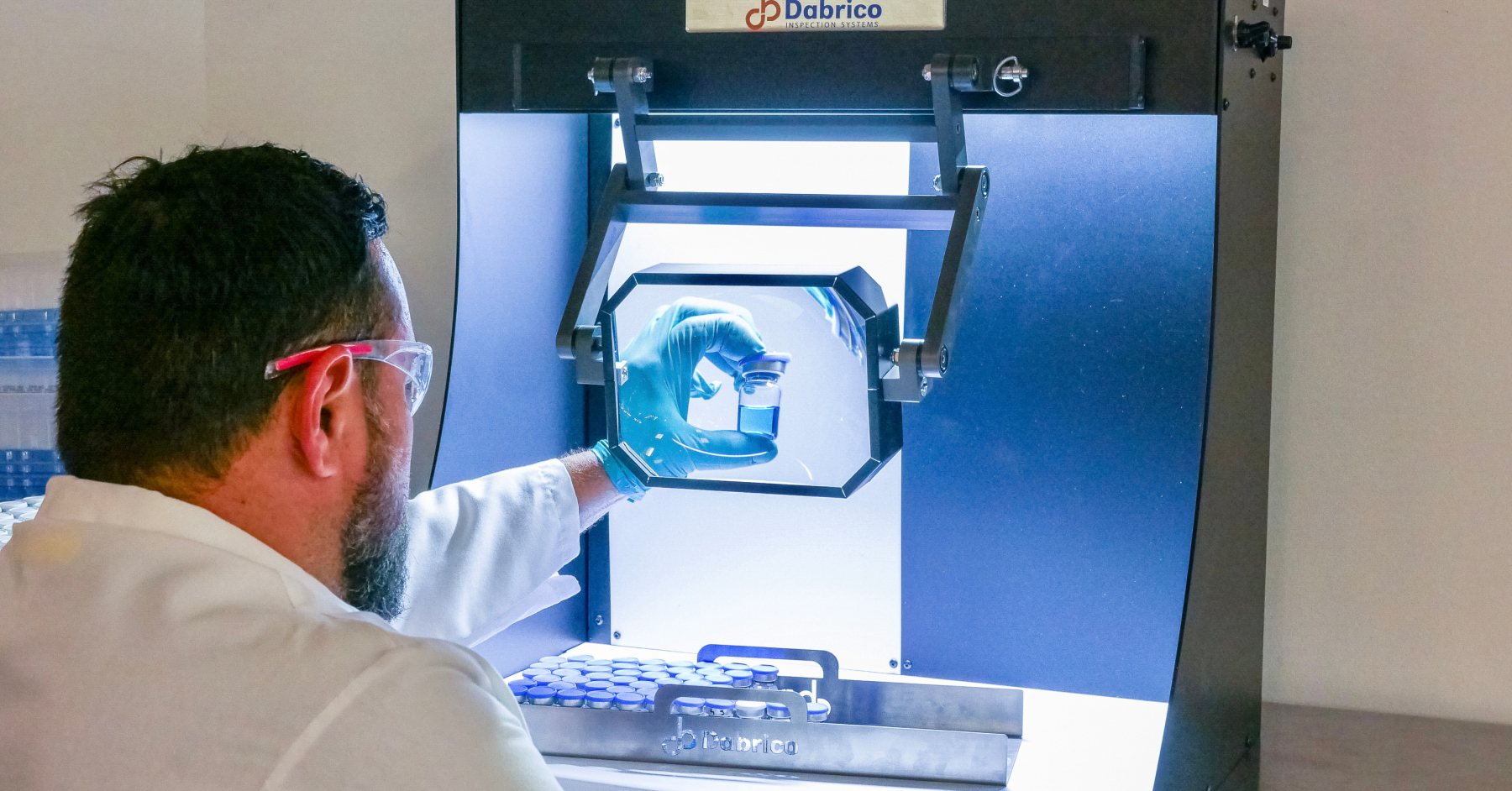
Application #1: Vial and Syringe Inspection
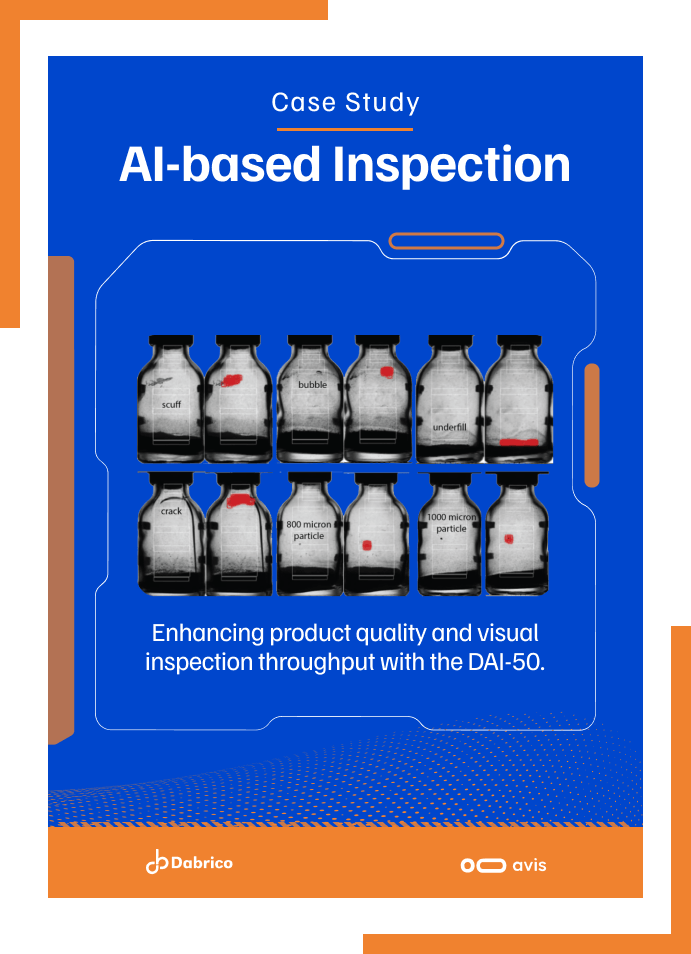
Challenge: Small defects are hard to see. Glass variation, cosmetic flaws, stopper position, fill level, and particulate contamination must all be checked at production speed without increasing false rejects.
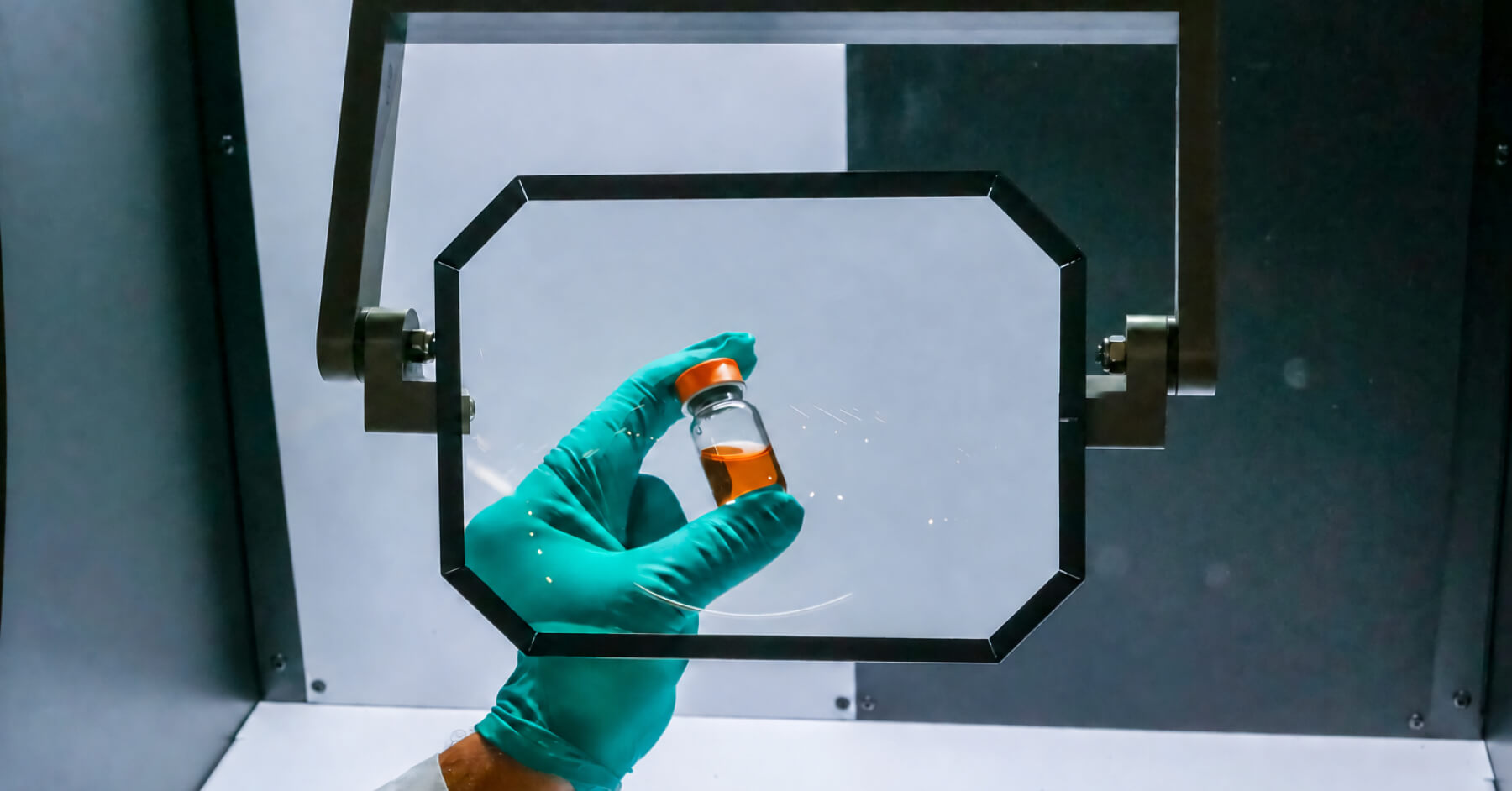
Solution: Machine vision systems inspect every container from multiple angles. They combine high resolution imaging, controlled lighting, and rule based or AI models to detect visible particles, dimensional errors, cosmetic damage, and closure defects with repeatable accuracy.
Top Providers:
- Dabrico
- Körber
- Stevanato Group
Application #2: Tablet and Capsule Inspection
Challenge: Solid dose products look simple. In practice, chips, cracks, color variation, double fills, and print defects can appear in high volumes and can be missed by manual checks.
Solution: Machine vision automates 100 percent inspection on fast moving lines. It verifies size, shape, color, coating quality, and printed marks so manufacturers can remove defects earlier and document inspection performance more consistently.
Top Providers:
- Syntegon
- Körber
- Antares Vision Group
Application #3: Blister Pack Seal Integrity
Challenge: Blister defects create compliance risk. Weak seals, trapped product, missing tablets, and torn foil can lead to leakage, contamination, and rejected batches.
Solution: Vision systems inspect cavity presence, foil condition, seal area quality, and code readability in one pass. This allows manufacturers to identify sealing issues at the machine and reduce the cost of downstream scrap and rework.
Top Providers:
- Syntegon
- Körber
- Optel

Food and Beverage
Application #4: Fill Level Inspection
Challenge: Underfill and overfill both matter. Product giveaway raises cost, while low fill can create labeling, compliance, and customer satisfaction issues.
Solution: Machine vision measures the visible product height or liquid interface in real time. When paired with line controls, the system can flag trends quickly and help operators correct the filler before the issue affects a larger run.
Top Providers:
- Cognex
- KEYENCE
- Mettler Toledo
Application #5: Cap and Closure Verification
Challenge: A bad closure can ruin a good product. Missing caps, skewed caps, damaged tamper bands, and incomplete seals create leakage and food safety risk.
Solution: Machine vision confirms cap presence, position, color, band integrity, and torque related visual indicators. The result is faster detection of packaging faults on high speed lines where manual inspection is inconsistent and too slow.
Top Providers:
- Cognex
- KEYENCE
- Omron
Application #6: Label and Date Code Inspection
Challenge: Packaging errors are expensive. A wrong label, unreadable date code, or missing allergen information can trigger recalls and retailer chargebacks.
Solution: Vision inspection checks label presence, placement, print quality, OCR content, and barcode readability at line speed. This helps manufacturers catch mix ups before products leave the plant and supports traceability requirements across multiple SKUs.
Top Providers:
- Cognex
- Antares Vision Group
- Omron

Automotive
Application #7: Weld Bead Inspection
Challenge: Weld quality is safety critical. Missing sections, inconsistent bead width, spatter, and geometry variation can weaken assemblies and create downstream failures.
Solution: Machine vision evaluates weld continuity, bead dimensions, and surface condition during or after production. That gives automotive manufacturers objective inspection data for higher volume processes where destructive testing cannot cover every part.
Top Providers:
- Cognex
- ISRA VISION
- KEYENCE
Application #8: Paint and Surface Defect Detection
Challenge: Surface defects are highly visible. Dust, orange peel, scratches, dents, and coating inconsistency affect both appearance and resale quality.
Solution: Vision systems use specialized lighting and imaging angles to reveal subtle defects that blend into reflective surfaces. Automated inspection improves consistency across shifts and can identify process drift in paint booths earlier than visual spot checks alone.
Top Providers:
- ISRA VISION
- Cognex
- LMI Technologies
Application #9: Part Presence and Assembly Verification
Challenge: Assembly mistakes happen fast. Missing clips, incorrect fasteners, wrong orientation, and incomplete subassemblies can move deep into the line if they are not caught immediately.
Solution: Machine vision verifies that the correct part is present in the correct location before the unit advances. This supports poka yoke strategies and reduces the cost of rework, warranty claims, and final audit failures.
Top Providers:
- Cognex
- KEYENCE
- Omron

Electronics
Application #10: PCB Solder Joint Inspection
Challenge: Solder defects can be microscopic. Bridges, insufficient solder, tombstoning, and cold joints can all create latent failures in compact assemblies.
Solution: Automated optical inspection systems compare each board against inspection criteria and detect solder anomalies at scale. They help electronics manufacturers inspect dense boards more consistently while shortening feedback loops to the SMT process.
Top Providers:
- Koh Young
- Omron
- Viscom
Application #11: Component Placement Verification
Challenge: Board complexity leaves little margin for error. A misplaced or rotated component can make the entire assembly fail functional test.
Solution: Machine vision confirms component presence, polarity, orientation, and position before defects move downstream. This improves first pass yield and gives process engineers better data for feeder, placement, and program adjustments.
Top Providers:
- Omron
- Koh Young
- CyberOptics
Application #12: Connector and Pin Inspection
Challenge: Tiny connector defects cause big problems. Bent pins, incomplete insertion, and damaged housings can lead to intermittent failures that are hard to diagnose later.
Solution: Vision systems inspect fine pitch connectors using magnified imaging and precise measurement tools. They catch small mechanical defects early, which is especially important in products where reliability and field service costs are closely watched.
Top Providers:
- KEYENCE
- Cognex
- Teledyne Vision Solutions

Medical Devices
Application #13: Catheter and Tube Inspection
Challenge: Flexible products are difficult to measure. Minor variation in diameter, wall thickness, surface finish, and tip geometry can affect performance and regulatory acceptance.
Solution: Machine vision inspects these features with stable lighting and calibrated measurement tools. It supports continuous quality control on lines where manual inspection is slow, subjective, and difficult to document at scale.
Top Providers:
- Cognex
- KEYENCE
- Dabrico
Application #14: Needle and Cannula Inspection
Challenge: Needle defects are small but consequential. Burrs, tip damage, bevel inconsistency, and coating issues can affect usability and patient safety.
Solution: Vision inspection systems evaluate geometry and surface quality with high magnification imaging. This helps manufacturers standardize inspection for products that require tight tolerances and very low defect rates.
Top Providers:
- Cognex
- Stevanato Group
- Dabrico
Application #15: Device Assembly Verification
Challenge: A missing feature can make a device unusable. Medical device assemblies often include small components, color coded parts, and exact placement requirements that are difficult to confirm by eye.
Solution: Machine vision verifies assembly completeness, orientation, and labeling before products are packaged. That improves line clearance, supports quality records, and reduces the risk of shipping nonconforming devices into regulated markets.
Top Providers:
- Cognex
- Omron
- KEYENCE

Packaging and Consumer Goods
Application #16: Bottle and Container Defect Inspection
Challenge: Packaging defects travel quickly. Cracks, deformed necks, flash, contamination, and dimensional variation can disrupt filling and damage brand perception.
Solution: Machine vision screens containers before they reach the filler or packer. Early removal of defective containers protects line efficiency and reduces the chance that defective packaging reaches the customer.
Top Providers:
- Cognex
- HEUFT
- FT System
Application #17: Print Registration and Artwork Inspection
Challenge: Brand consistency matters. Misregistered graphics, color shifts, missing text, and incorrect artwork can create waste and trigger customer complaints.
Solution: Vision systems compare packaging output to approved standards and monitor print position in real time. This gives converters and brand owners tighter control over visual quality across long runs and frequent changeovers.
Top Providers:
- AVT
- BST
- Cognex
Application #18: Tamper Evident Seal Inspection
Challenge: Tamper evidence must be obvious. A missing band or damaged seal can undermine product integrity and lead to retailer rejection.
Solution: Machine vision checks seal presence, placement, and visible damage before the product leaves the line. This gives packaging teams a consistent method for confirming seal quality across different container and closure formats.
Top Providers:
- Cognex
- KEYENCE
- Mettler Toledo

Logistics and Warehousing
Application #19: Barcode and OCR Verification
Challenge: Unreadable codes slow the network. Shipping labels can wrinkle, smear, or print poorly, which creates routing errors and manual exception handling.
Solution: Vision systems verify barcode quality and read text at speed on cartons, totes, and parcels. This improves automated sortation performance and reduces labor spent resolving labels that should have been caught upstream.
Top Providers:
- Cognex
- Zebra Technologies
- SICK
Application #20: Parcel Dimensioning and Shape Inspection
Challenge: Irregular parcels are hard to process. Wrong dimensions affect sortation, storage, and shipping cost calculations across high volume operations.
Solution: Machine vision and 3D imaging capture parcel size and shape in motion. That data supports more accurate cubing, smoother conveyor flow, and better exception handling for damaged or nonconveyable items.
Top Providers:
- SICK
- Zebra Technologies
- Cognex
Application #21: Pallet Load Stability and Label Verification
Challenge: A stable pallet is critical. Leaning loads, missing stretch wrap, and unreadable pallet labels create safety risk and slow warehouse execution.
Solution: Vision inspection checks stack condition, wrap coverage, label presence, and code readability before shipment or put away. This helps distribution teams reduce manual checks while improving outbound accuracy and handling safety.
Top Providers:
- Cognex
- SICK
- Zebra Technologies




![[2026 Rankings] - Best Accumulation Tables and Accumulation Conveyors By Application (1)](https://dabrico.com/wp-content/uploads/2026/07/2026-Rankings-Best-Accumulation-Tables-and-Accumulation-Conveyors-By-Application-1.jpg "[2026 Rankings] - Best Accumulation Tables and Accumulation Conveyors By Application (1)")