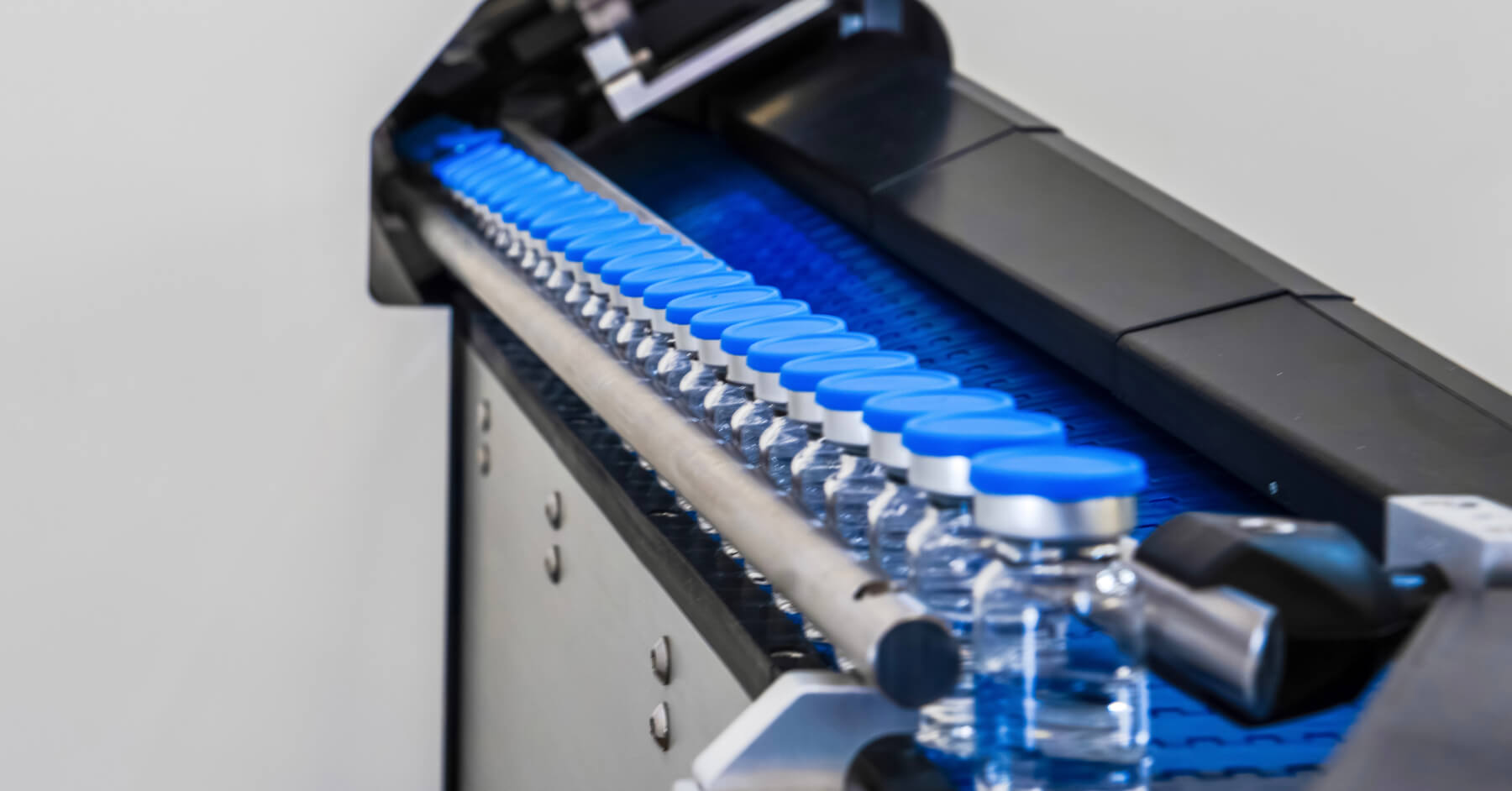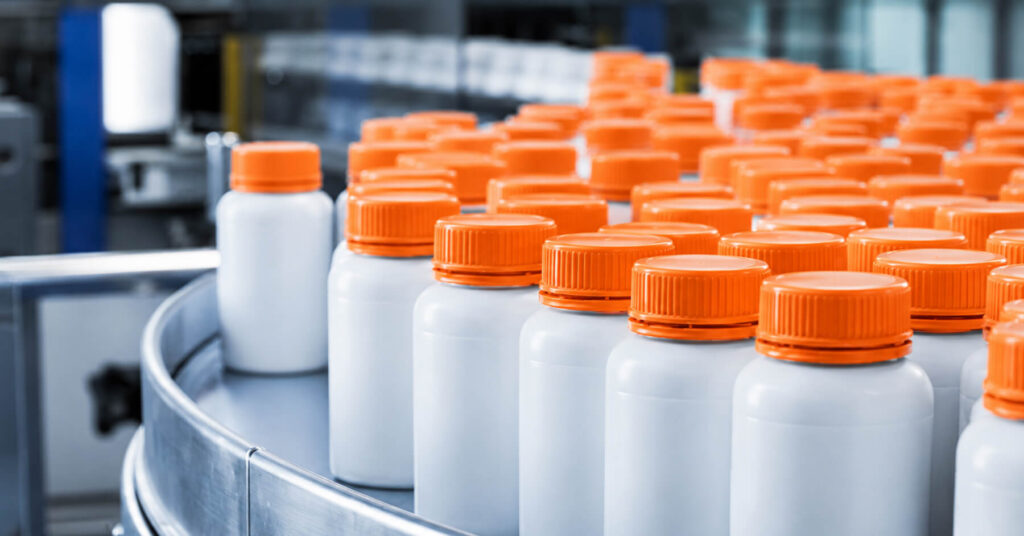
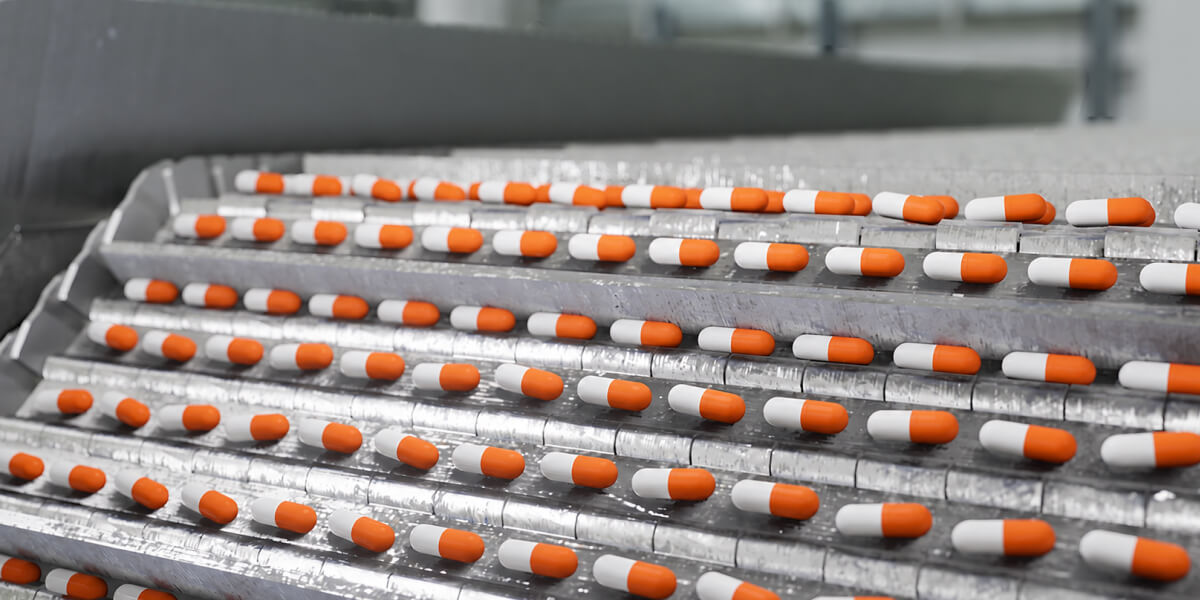
Accumulation is the ability to temporarily hold or queue products on a conveyor before releasing them to the next stage of production, packaging, or distribution. It creates a buffer between processes that run at different speeds, allowing one part of the conveyor system to slow down or stop without immediately shutting down the entire line.
Products may accumulate on rollers, belts, tables, loops, or other conveyor solutions. The right approach depends on the product, available storage space, required capacity, and whether items can safely touch while waiting.
How an Accumulation Conveyor Creates a Product Buffer
An accumulation conveyor creates a controlled place for products to wait when downstream equipment is unavailable. As products enter the buffer, the system holds them until the next machine or conveyor segment is ready.
Once space becomes available, the conveyor can release products individually, in groups, or as a continuous flow. This allows upstream equipment to continue running during short delays and helps prevent products from backing up into earlier processes.
The amount of storage an accumulation conveyor provides depends on its length, width, product spacing, and control method. Systems handling small cartons may hold many items, while conveyors designed for pallets or heavy loads may require larger accumulation areas.
Accumulation Conveyor Zones
Many powered accumulation conveyors are divided into independently controlled zones. Each zone typically includes a roller or belt segment capable of stopping and starting separately from the rest of the conveyor.
Sensors determine whether a zone is occupied and whether there is space farther down the line. The system’s stop functionality then controls when each product should move, wait, or advance into the next zone.
Zone-based accumulation conveyor systems are commonly used in warehouses, packaging lines, and distribution centers to manage cartons, cases, totes, and other unit loads. The zones create an organized queue while giving the system greater control over product spacing and release.
Pressure and Product Control
Pressure accumulation refers to the amount of force products experience while they wait on the conveyor. Depending on the design, products may remain separated, lightly touch, or accumulate with direct back pressure.
The appropriate pressure level depends on the product. Durable cartons and totes may tolerate limited contact, while fragile packaging, unstable containers, or sensitive products may require greater separation.
Excessive back pressure can crush cartons, damage labels, create jams, or make it difficult to release products individually. Effective accumulation systems are therefore designed to balance storage capacity with safe product control.
Types of Conveyors
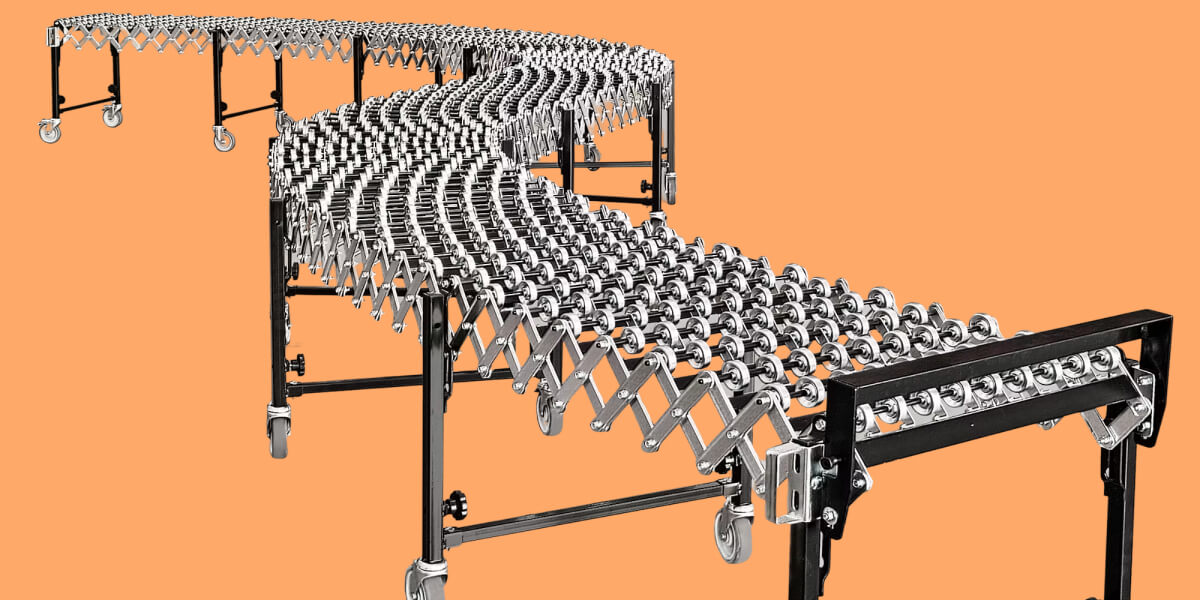
Accumulation can be added to several types of conveyor systems. Common configurations include roller accumulation, belt accumulation, powered accumulation, and specialized systems for pallets or unusually shaped loads.
The best conveyor solution depends on product size, weight, stability, required throughput, and the amount of contact that can occur during accumulation.
Zero-Pressure Accumulation
Zero-pressure accumulation prevents products from touching while they wait. Sensors and independently powered zones stop each item before it reaches the product ahead of it.
Because every zone can operate separately, the system can accumulate and release products without creating back pressure. This makes zero-pressure accumulation well suited for fragile cartons, valuable products, unstable containers, and items that could be damaged by contact.
Zero-pressure systems also provide precise control over spacing, sorting, and product release. However, they typically require more sensors, controls, and powered segments than simpler pressure accumulation systems.
Minimum-Pressure Accumulation
Minimum-pressure accumulation allows products to make light contact while limiting the amount of force placed on them. The conveyor drive continues applying enough pressure to move products forward, but the system reduces the force as the queue grows.
Minimum pressure systems are commonly used for durable cartons, cases, and totes that can safely touch. They are often simpler and more economical than zero-pressure accumulation, although some back pressure remains.
A minimum-pressure accumulation conveyor is most effective when products have consistent shapes, stable bases, and enough strength to withstand light contact.
Belt Accumulation Conveyors
Belt accumulation conveyors use a continuous belt to transport and hold products. Unlike roller conveyors, belt conveyors support the entire bottom surface of each item, making them useful for products with small, flexible, irregular, or unstable bases.
Belt accumulation may be used for lightweight packages, bags, loose components, or products that could become caught between rollers. Depending on the application, the belt may operate as a single conveyor surface or be divided into controlled accumulation segments.
Some systems use a conveyor chain or specialized belt design to support heavier products. However, belt accumulation is generally best suited for applications where consistent product support is more important than handling extremely heavy pallet loads.
Why Conveyor Systems Need Accumulation
Conveyor systems need accumulation because connected machines rarely operate at identical speeds. Packaging equipment may pause for a product change, labeling machine, inspection, maintenance, or material replenishment while upstream processes continue operating.
An accumulation system gives products a safe place to wait during these interruptions. This buffer reduces the need to stop the entire conveyor line every time one machine experiences a short delay.
Properly designed accumulation conveyor systems can:
- Reduce unnecessary conveyor stoppages
- Balance processes that run at different speeds
- Create temporary product storage
- Prevent bottlenecks between machines
- Limit damaging back pressure
- Improve product spacing and release
- Protect cartons, totes, pallets, and other loads
- Maintain a more consistent production flow
In simple terms, accumulation gives a conveyor system the flexibility to absorb delays. By creating a controlled buffer between connected processes, accumulation conveyors help keep products moving and reduce the effect of temporary equipment interruptions.



![[2026 Rankings] - Best Accumulation Tables and Accumulation Conveyors By Application (1)](https://dabrico.com/wp-content/uploads/2026/07/2026-Rankings-Best-Accumulation-Tables-and-Accumulation-Conveyors-By-Application-1.jpg "[2026 Rankings] - Best Accumulation Tables and Accumulation Conveyors By Application (1)")