When it comes to parenteral drug products, the stakes are exceptionally high. Every vial or syringe that leaves a manufacturing facility can either heal a patient or, if contaminated with visible particulates, cause serious harm. These risks range from localized inflammation to systemic emboli and, in the most severe cases, death.
To address this risk, the FDA issued the guidance document Inspection of Injectable Products for Visible Particulates in December 2021. This guidance establishes the foundational expectations manufacturers rely on when designing and implementing visual inspection programs for injectable products.
Whether you are developing a manual inspection process or implementing automated vial inspection, this guide breaks down the FDA’s key requirements and translates them into practical considerations for building and validating an effective visual inspection program.
Section 1: Why Inspection of Visible Particles in Injections is Important
The first section of the FDA guidance covers the introduction and purpose of the document. It is broken into definitions of particulate types (inherent, intrinsic, extrinsic), scope of products covered, and clarification that this guidance does not address subvisible particulates or physical defects.
The Core Problem: Patient Risk
Particles floating in injectable drugs can cause serious patient harm—especially when injected directly into the bloodstream where they can travel to vital organs. Some patients face even greater risk, including children, elderly patients, and those with weakened immune systems or recovering from surgery.
What the Guidance Covers on the Visual Inspection of Parenteral Products
The guidance outlines a complete lifecycle approach to controlling visible particulates—meaning manufacturers can’t just “test” their way to quality at the end of the line. Control starts during product development, continues through manufacturing, and extends into ongoing monitoring and corrective actions after the product is on the market.
- Product development
- Manufacturing controls
- Inspection processes
- Particle identification
- Investigations
- Corrective and preventive actions
Important Clarification on Compliance and Passing USP Visual Inspection
Passing USP testing alone is not sufficient. USP (United States Pharmacopeia) sets standards for inspecting injectable products—such as USP <790>, which defines what it means to be “essentially free from visible particulates.” But these standards focus primarily on end-product inspection and acceptance criteria. The FDA expects more: full compliance with CGMP requirements that cover the entire manufacturing process, including facility design, equipment maintenance, personnel training, process controls, and investigations. In other words, you can’t just test quality into a product at the end—you have to build it in from the start.
What Counts as a Visible Particulate
The guidance defines a visible particulate as any floating, undissolved particle that should not be present in the product. Air bubbles are excluded.
Types of Visible Particulates in Injections
Visible particulates fall into three categories, and understanding the distinction matters because each type has different implications for investigation, rejection, and regulatory risk.
| Type | Definition | Examples | Implications |
| Inherent | Particles that are naturally part of the product itself | Proteinaceous particulates, liposomes, agglomerates | Not cause for rejection if they’re a property of the approved product and release specs are met; should be defined in quality target product profile |
| Intrinsic | Particles introduced from equipment, formulation, or container systems | Glass fragments from vials, rubber from stoppers, tubing residue, silicone oil interactions, precipitated active ingredients | Can be controlled through component selection, equipment maintenance, and process design; may form or grow after release during storage |
| Extrinsic | Foreign material originating from the manufacturing environment | Dust, fibers, environmental debris | Most serious—indicates potential CGMP violations, facility issues, or possible microbial contamination |

Injectable Products Covered by the Guidance
The guidance casts a wide net—covering virtually all injectable products regulated by FDA, whether for humans or animals, and regardless of how they’re approved or licensed.
The guidance applies to:
- Injectable drugs for human use
- Injectable drugs for animal use
- Biological products
- Combination products such as prefilled syringes
What the Guidance Does Not Cover
While the guidance is broad in scope, it does have boundaries—manufacturers shouldn’t assume it addresses every type of inspection or defect.
The document does not address:
- Subvisible particulates
- Container or closure defects
- Fill volume issues
- Cosmetic appearance of freeze-dried products
Section 2: When Injectable Products Are Considered Adulterated
The second section covers the legal and regulatory foundation. It explains when injectable products are legally considered adulterated, which CGMP regulations apply, and why meeting USP standards alone doesn’t equal full compliance.
Legal Basis for Adulteration
Under Section 501 of the FD&C Act, an injectable product is adulterated if:
- It is prepared under insanitary conditions where contamination may occur
- Manufacturing methods or facilities do not conform to CGMP
- Quality or purity falls below compendial standards
- It qualifies as an unsafe new animal drug
USP Requirements for Visible Particulates
USP General Chapters <1790> and <790> require that injectable products be essentially free from visible particulates. Key expectations include:
- 100 percent inspection of every final container
- Rejection of all units containing visible particulates
USP Compliance Versus CGMP Compliance
Meeting USP acceptance criteria is necessary but not sufficient for CGMP compliance. FDA expectations extend beyond test results to include how the product is manufactured. A product that passes inspection does not excuse poor process control or insanitary conditions.
Higher-Risk Injectable Products
For products with higher clinical risk, FDA may require stricter particulate limits than standard USP acceptance criteria. Risk factors include:
- Route of administration
- Dose volume
- Patient population
- Characteristics of the particulate matter
Section 3: How Visible Particles in Injections Can Harm Patients
The third section covers the clinical risks of visible particulate contamination. It explains how adverse events vary by route of administration, patient population, and the nature of the particulates.
Factors that impact how particulates cause harm:
- Route of administration (intravascular/intravisceral = higher risk than subcutaneous/intramuscular)
- Patient population
- Particulate characteristics (size, shape, quantity, chemical reactivity, immunogenicity, infectivity, carcinogenicity)
Types of serious adverse events reported:
- Systemic: infection, blood clots (venous and arterial emboli)
- Organ damage: microscopic emboli, abscesses, and granulomas in internal organs
- Injection site: phlebitis, inflammatory reactions, granulomas, and infections
High-risk patient populations:
- Pediatric and elderly patients
- Family or personal history of blood-clotting disorders
- Major surgery, cancer, or trauma patients
- Underlying infection or autoimmune disease
- Diabetes-associated late-stage vasculitis
- Obesity and smoking
What this means for manufacturers: These clinical risk factors should inform the quality target product profile, control strategy, and acceptance criteria for visible particulates.
Section 4: Identifying and Controlling Particulates During Development
The fourth section covers risk assessment during product development. It explains how to identify what particles might show up, where they come from, and how to prevent them before manufacturing begins.
Elements of a Particulate Risk Assessment
A risk assessment is used to ensure product quality and limit clinical risk by understanding potential particulate contamination before it happens. According to ICH Q9 Quality Risk Management, a risk assessment should include the following elements:
- Identify typical particulates that could contaminate the product.
- Characterize their size, quantity, and composition.
- Determine risk level for each type.
- Create visual descriptions (photos or drawings) for training.
- Identify potential sources, analytical methods, and mitigation strategies.
How to handle each particulate type:
Inherent particulates (naturally part of the product):
- Acceptable if they’re part of the approved product profile and meet release specs.
- Develop supplemental testing methods for hard-to-inspect products (suspensions, emulsions).
- Monitor for size/quantity changes during stability testing.
Intrinsic particulates (from process, equipment, or containers):
- Control through careful selection and quality control of components, containers, and equipment.
- Conduct studies to determine if manufacturing processes generate particulates.
- Evaluate impact of handling, washing, and sterilization on equipment wear.
- Study formulation stability issues (precipitation, glass delamination, protein-silicone oil interactions).
- Develop product-specific analytical methods.
Extrinsic particulates (foreign material from environment):
- Can indicate CGMP issues or sterility failures.
- Caused by poor facility conditions, equipment design/maintenance, or material/personnel flow problems.
- Facilities must be CGMP compliant and properly designed.
Key principles:
- Build quality into the process from development—don’t rely on downstream fixes.
- Conduct threshold studies to determine what size/shape/color particulates can be reliably detected.
- Use a life cycle approach: early detection, effective process improvement, ongoing monitoring.
Section 5: Key Elements of an Effective Visual Inspection Program
The fifth section discusses the operational components needed to execute inspections properly—covering who should be executing visual inspection, what is required from visual inspection, how to implement and maintain an inspection program, and why it matters.
Section 5 – Part 1: Who Should be Executing Visual Inspection of Parenteral Products?
The FDA makes clear that only certified inspectors and qualified equipment should be used for visible particulate inspection. Both require formal qualification processes—and ongoing requalification—to ensure consistent, reliable detection.
Personnel Requirements
- Inspectors must complete formalized training programs covering relevant CGMP requirements.
- Training typically includes materials, SOPs, on-the-job training, and testing.
- Candidates need normal near visual acuity (with or without corrective lenses) and no color vision impairment.
- Periodic retraining and requalification are required.
Equipment Qualification
- Manual inspection stations must have qualified backdrop colors and light intensity.
- Semi-automated visual inspection equipment requires calibration and qualification at specific vial-spin and belt speeds.
- Automated systems must be validated to meet or exceed human inspection capabilities.
Qualification Testing
- Test sets should mix good units with defective units containing visible particulates (defects shouldn’t exceed 10–20% of the set).
- Quality assurance prepares and approves these test sets.
- Manufacturers should build libraries of defective samples collected throughout the product life cycle.
- Defective unit identities must be masked from test subjects to prevent bias.
- The quality unit controls the test sets and establishes protocols covering acceptance criteria, grading methods, documentation, and requalification frequency.

Section 5 – Part 2: What is Required from Visual Inspection of Parenteral Products?
The FDA requires a two-tier approach to visual inspection of injectable products: 100% inspection of every unit, followed by statistical sampling (AQL testing) to verify batch quality. These are complementary and not interchangeable.
100% Visual Inspection
Every single unit of injectable product must be inspected for visible particulates. No exceptions or sampling shortcuts are allowed at this stage.
Timing:
Conduct at the stage with the greatest likelihood of detection (e.g., before labeling to maximize container clarity)
Three inspection techniques:
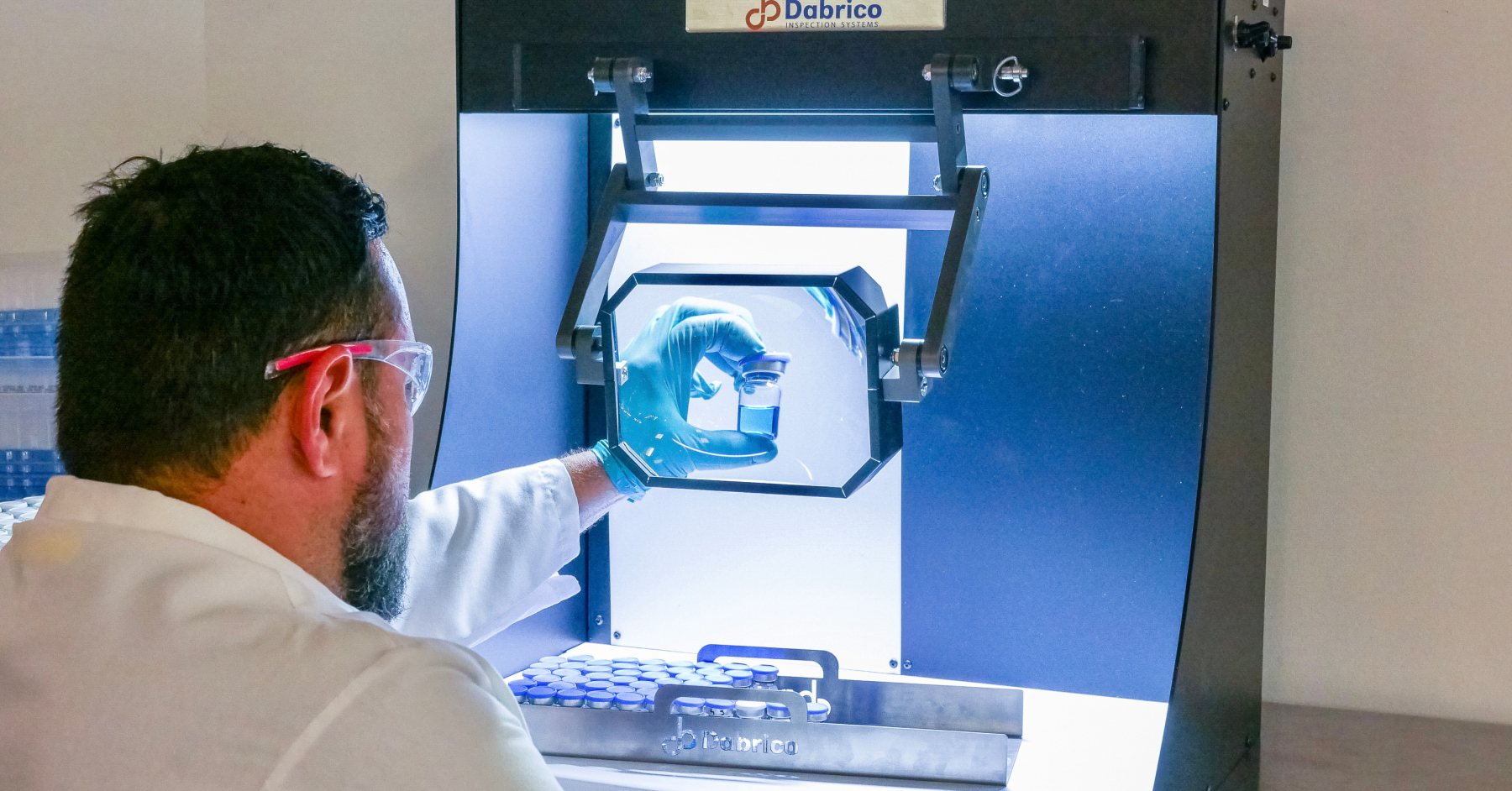
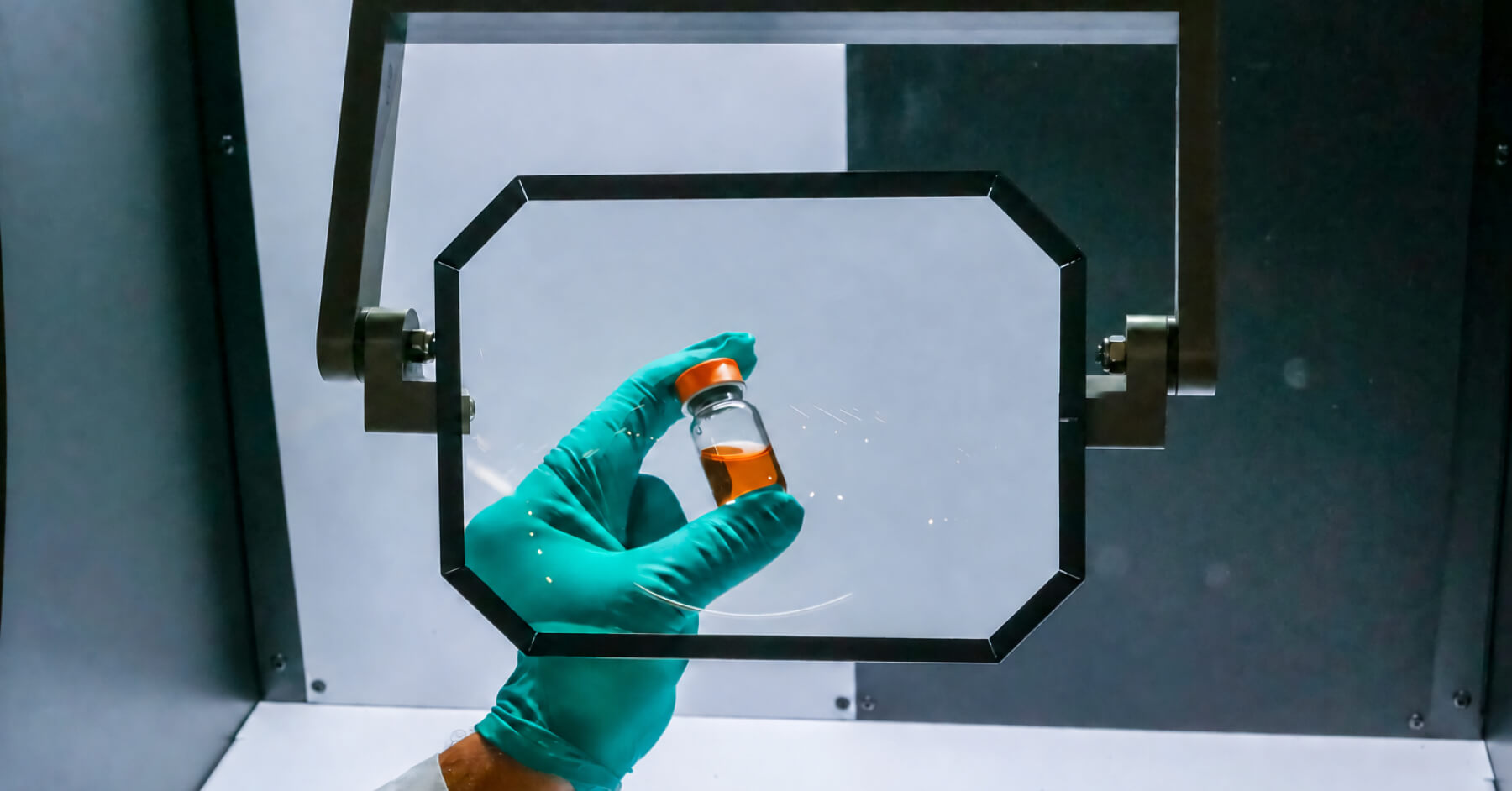
| Manual Visual Inspection | Backdrop of solid colors (black and white), qualified light intensity, consider container color/size/shape |
| Semi-automated Visual Inspection | Machine rotates product at constant rate past inspector; calibrated at specific vial-spin and belt speed |
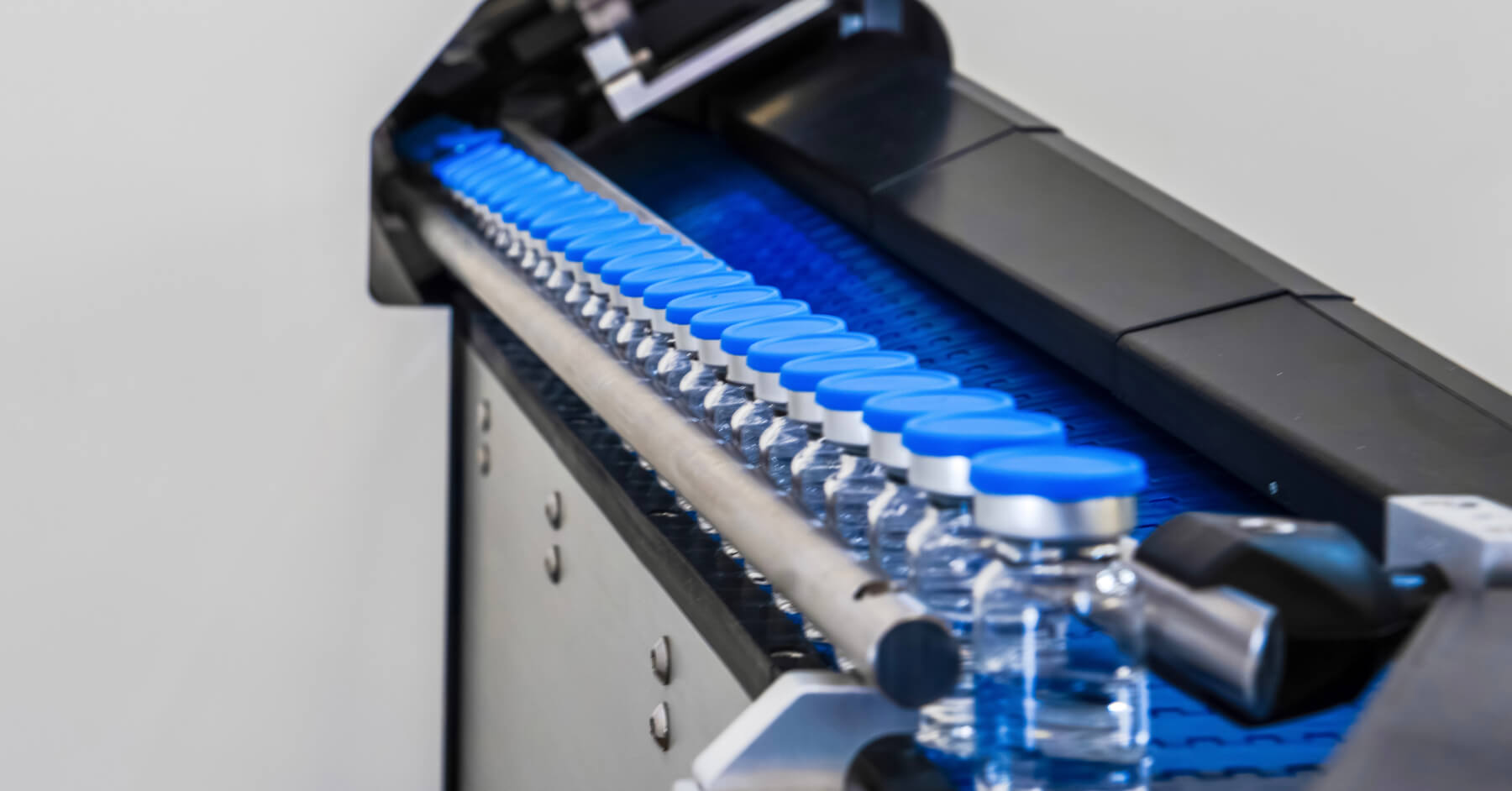
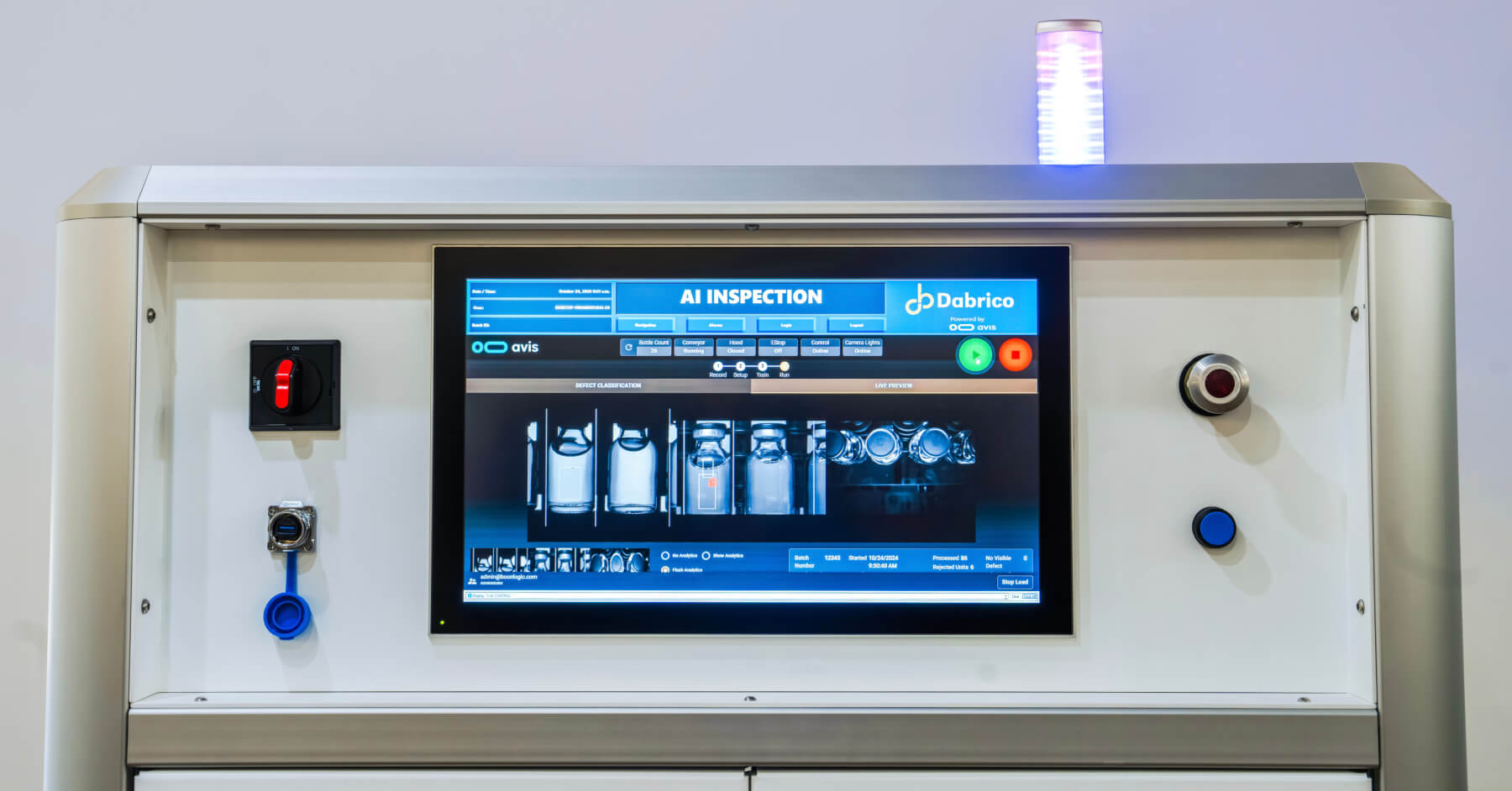
| Automated Visual Inspection | Validated to meet or exceed human capabilities; can use various technologies (high-speed camera, X-ray, UV/NIR spectroscopy, near-field radar) |

Environment requirements:
- Free from distractions and extraneous light.
- Inspection rate must be at a qualified speed.
- Manual/semi-automated stations should be ergonomically designed for the inspector’s comfort.
Statistical Sampling (AQL Testing)
The Purpose of AQL testing is to provide statistical confidence that the batch meets pre-established acceptance quality limits
Key parameters to define:
- Operating characteristic curves for each defect classification
- Accept/reject criteria
- AQL (acceptable quality limit)
- Unacceptable quality limit (also called rejectable quality limit, limiting quality, or lot tolerance percent defective)
In addition, the methodology used should consider the following factors:
- Patient risk
- Particulate type
- Product and container characteristics that may affect visibility
Special Product Considerations
Not all injectable products can be inspected the same way—some require additional methods or technologies to ensure adequate particulate detection.
Large volume parenterals: Same inspection level as small volume; higher patient risk due to volume and continuous administration; packaging (overwraps, printing on bags) can interfere; supplemental destructive testing may be warranted.
Opaque products/containers (lyophilized powders, suspensions, tinted vials): Use advanced technologies (X-ray spectroscopy); supplemental destructive testing recommended unless automated inspection is validated to meet or exceed human capabilities.
Red Flags (Even If AQL Is Met)
- Extrinsic particulates identified during inspection → may indicate filth, sterility issues, or CGMP violations; product could be considered adulterated.
- Multiple visible particulates in a single container → indicates potential manufacturing problems; triggers increased batch scrutiny.
Validation Requirements
- Testing methods must be verified under actual conditions of use (§ 211.194(a)(2))
- Tests used for batch release must be validated and documented (§ 211.165(e))
Section 5 – Part 3: How to Implement and Maintain an Parenteral Inspection Program?
The FDA expects manufacturers to conduct inspections in accordance with documented procedures, monitor performance throughout the product’s life cycle, and respond systematically when issues arise.
Written Procedures Requirements
A written procedure must be made to cover every aspect of the visual inspection process. Adequate written procedures contribute to a more thorough understanding of the potential sources and quantities of visible particulates—leading to improvements in process design, a more robust particulate control program, and higher-quality investigations when issues arise.
| Unit handling | Swirling, inversion, distance from light |
| Inspection duration | Maximum length of inspection period without a rest break |
| Disposition | How rejected products are handled and documented |
| Feasibility studies | Detectability, unit inspection duration, illumination, fatigue time frame—analyzed using appropriate statistical methodology |
In addition, a complete particulate control program must also include written procedures for:
- Production and process control (§ 211.100)
- Sampling and testing of in-process materials (§ 211.110)
- Control of microbiological contamination (§ 211.113)
Life Cycle Monitoring
Ongoing monitoring should feed back into process control and improvement. The goal is to catch problems early and fix them proactively—not wait until something fails to take action. Manufacturers need to continuously assess whether their processes are under control and make improvements before small issues become batch failures or patient safety risks.
Process Performance Indicators:
- Deviations
- In-process defect results
- Statistical process control reports
- Equipment and facility breakdowns
Product Quality Indicators:
- Stability test results
- Complaints
- Returned product
- Field alert reports
- Adverse event reports
Warning Signs of Product/Process Design Flaws
The following indicators suggest something is fundamentally wrong with your product or process—not just a one-off inspection issue and an investigation should occur:
- Trends of increased particulate contamination
- Identification of new types of particulates
- Particulates exceeding alert or action limits
Here’s a list of potential root causes for the indicators mentioned above.
- Inadequate controls of components, containers, or closures
- Unstable product formulation
- Uncontrolled changes to manufacturing process
- Equipment/facilities not suitable for intended use
- Personnel practices that generate particles
FDA expectation: If a flaw is found, redesign the product or process—don’t just adjust inspection parameters.
Nonconformance Response
When inspections reveal problems, the FDA requires manufacturers to investigate thoroughly—not just document the issue and move on.
When to investigate:
- Individual or total defect limits exceeded
- Batch fails AQL limits.
- Atypical trends (within spec but outside historical norms)
- Visible particulates not commonly observed.
What the investigation must include :
- Particulate identification and categorization (intrinsic vs. extrinsic)
- Extension to other potentially affected batches
- Source determination
- Corrective and preventive actions (CAPA)
Investigation Tools:
| Tightened sampling plans | Increase sample size or frequency to get a clearer picture of batch quality and defect distribution |
| Particle examination | Analyze the particulate to determine its composition and trace it back to its source (component, equipment, environment, etc.) |
| Batch release impact evaluation | Assess whether the batch can be released, needs reinspection, or must be rejected based on investigation findings |
Investigations may also reveal opportunities to enhance the robustness of particle detection—such as improvements to the 100% inspection process or the AQL inspection program.
Reinspection Rules
Reinspection is permitted—but it’s not a free pass to keep inspecting until a batch passes. The FDA sets strict guardrails to prevent manufacturers from gaming the system.
| Justification | Must have appropriate scientific justification |
| Procedures | Must follow approved SOPs |
| Acceptance criteria | Must use tightened criteria |
| Limit | FDA does not recommend more than one reinspection to release a batch with atypical defect levels |
| Reconciliation | All rejects from reinspection must be counted alongside rejects from 100% inspection and original AQL in final unit reconciliation |
Complaint Handling
Customer complaints involving particulates aren’t just quality issues—they’re potential signals of broader manufacturing problems. When evaluating retain samples, manufacturers should also consider historical data for the facility and product to determine whether the complaint reflects an isolated incident or a systemic issue.
Each complaint should result in:
- Particulate identification (whenever possible)
- Investigation into potential source
- Corrective actions (if necessary)
- Analysis of batch retain samples for evidence of contamination
Section 5 – Part 4: Why Visual Inspection of Parenteral Products Matters?
Visible particulate control isn’t just a quality checkbox—it directly impacts patient safety and determines whether your product is legally adulterated.
Clinical Risks
Particulate contamination can cause serious harm depending on route of administration, patient population, and the nature of the particulates themselves. Intravascular and intravisceral injections carry higher risk than subcutaneous or intramuscular.
Documented adverse events include:
- Systemic: infection, venous and arterial emboli (thrombotic or nonthrombotic)
- Organ-level: microscopic emboli, abscesses, and granulomas in visceral organs
- Injection site: phlebitis, inflammatory reactions, granulomas, infections
Higher-risk patient populations:
- Pediatric and elderly patients
- Patients with thrombophilia (personal or family history)
- Major surgery, cancer, or trauma patients
- Underlying infection or autoimmune disease
- Diabetes-associated late-stage vasculitis
- Obesity and smoking
Regulatory Consequences
Under FD&C Act Section 501, a drug product is deemed adulterated if any of these conditions apply:
| Prepared, packed, or held under insanitary conditions where it may have been contaminated with filth or rendered injurious to health | § 501(a)(2)(A) |
| Manufacturing methods, facilities, or controls don’t conform to CGMP | § 501(a)(2)(B) |
| Quality or purity falls below compendial standards | § 501(b) |
| New animal drug that is unsafe under section 512 | § 501(a)(5) |
Compendial Standards Aren’t Enough
Meeting USP standards is necessary but not sufficient for CGMP compliance. The FDA explicitly states that applying acceptance criteria like those in USP <790> is just one component—full compliance with CGMP requirements covering the broader array of manufacturing practices is required to ensure safe, pure, and effective injectable products.



![[2026 Rankings] - Best Accumulation Tables and Accumulation Conveyors By Application (1)](https://dabrico.com/wp-content/uploads/2026/07/2026-Rankings-Best-Accumulation-Tables-and-Accumulation-Conveyors-By-Application-1.jpg "[2026 Rankings] - Best Accumulation Tables and Accumulation Conveyors By Application (1)")