What You Need to Know About USP 1790
USP 790 defines acceptance criteria and inspection procedures for injectable products. USP Chapter 1790, the visual inspection of injections, goes further, providing a scientific and functional structure for inspection programs. The FDA clearly states that meeting compendial standards alone does not satisfy current good manufacturing practice (GMP) requirements. Instead, manufacturers must take a holistic risk-based approach. This approach should span development, production, inspection, and post-market surveillance.
Regulatory and Scientific Context
The Role of USP Chapter 1790
The FDA guidance cites USP Chapter 1790 as an essential pharmacopeial information chapter that supports the design of visual inspection programs for injectable products.
The primary role of USP 1790 is to provide a scientific and operational framework for designing, qualifying, and continuously improving visual inspection programs. The guidelines explain the probabilistic nature of visual inspection. Threshold studies are to be conducted to establish the smallest particle size that can be reliably detected under specific inspection conditions. These scientific principles are essential for building inspection systems that ensure products are free of visible particulate matter.
USP 1790 vs USP 790: The Difference You Need to Know
Both USP 1790 and USP 790 are published by the United States Pharmacopeia (USP) to support the evaluation and control of visible and subvisible particulate matter in pharmaceutical products.
In contrast, USP 790 defines inspection procedures and acceptance criteria that demonstrate that products are essentially free of visible particulates. USP 1790, on the other hand, expands this framework by addressing inspection program design, manual and automated variability, inspector qualification, training, and lifecycle management.
USP 790 Meaning in Practice
The USP 790 meaning centers on ensuring injectable products are essentially free from visible particulates. However, the FDA emphasizes that compliance with USP 790 acceptance criteria alone is insufficient. Manufacturers must integrate these requirements into a broader quality system that includes robust controls over the manufacturing process, validated inspection technologies, and continuous quality improvement.
Clinical and Quality Risks
Patient Safety and Particulate Matter in Injections
The presence of particulate matter in injections represents a direct threat to patient safety. There are several adverse outcomes that may result from a product containing particulate matter, including emboli, organ granulomas, infections, inflammatory responses, and tissue damage. Risk varies by injection route, with intravascular administration presenting the highest hazard.
The following groups represent high-risk populations because they are at increased risk of exposure to visible particulate matter: pediatric patients, elderly patients, and patients with compromised immune systems. The guidance requires inspection programs to assess both detection systems and all medical facilities that manufacture parenteral products. The requirement for product visibility freedom exists to safeguard patient health. The final containers must undergo 100 visual inspections before release, and any container showing particulate matter will be discarded.
Quality Risk Management Across the Manufacturing Process
Three Categories of Particulates
The guidance classifies particulates into three groups: inherent particulates arising from product formulation, intrinsic particulates from equipment and materials, and extrinsic particulates from the manufacturing environment. Each poses distinct risks within the manufacturing process.
Control of particulate formation must begin in product development. Manufacturers must conduct formal risk assessments, identify particulate sources, define risk-reduction approaches, and design processes to prevent contamination rather than rely on downstream detection. Visible particulate control requires continuous monitoring, trending, and improvement throughout the product lifecycle.
Visual Inspection Program Design
100% Visual Inspection as Baseline
Every injectable product must be inspected using a qualified method. 100% visual inspection is mandatory, and it must be conducted at the stage when particle detectability is highest, typically prior to labeling.
Inspection reliability depends on controlled inspection conditions such as defined light intensity, contrast backgrounds, and inspection rates. Threshold studies establish the smallest detectable particle size under real conditions.
Manual, Semi-Automated, and Automated Inspection
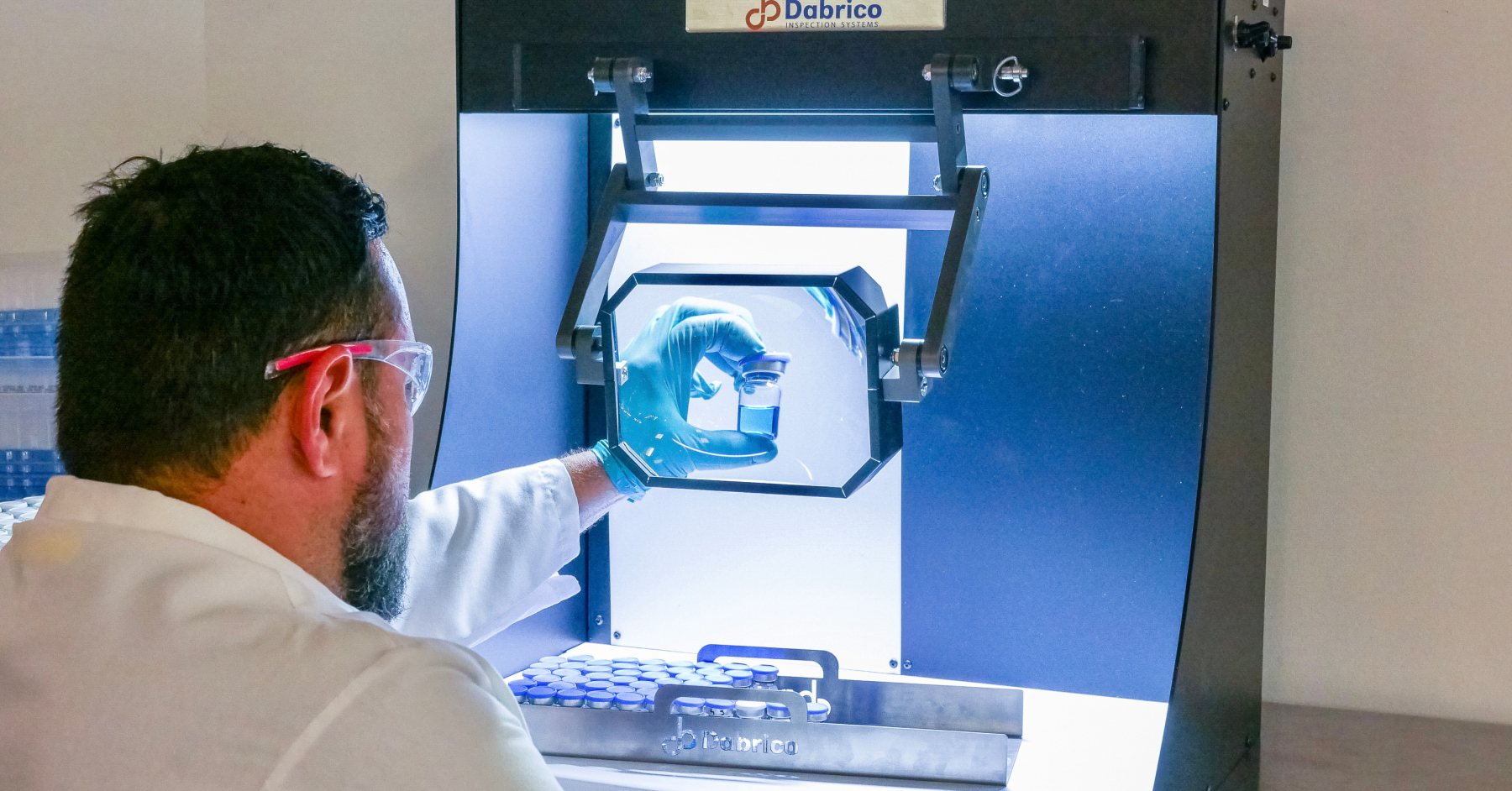
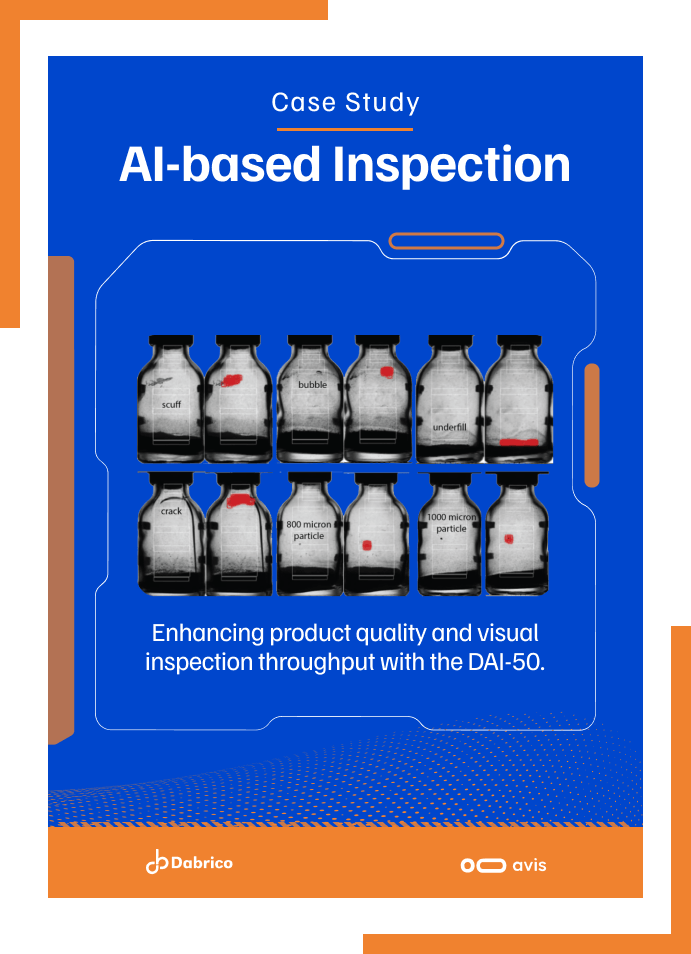
Inspection may be conducted manually, semi-automatically, or fully automatically. The FDA has not expressed “favoritism” towards a specific inspection technique over others. However, with recent advancements in AI, automated vial inspection machines have consistently outperformed human inspection by reducing variability and improving the detection of low-visibility particulates. Speculation exists among thought leaders in the visual inspection community that the “gold standard” previously held by human inspectors may, in time, shift towards automated techniques with higher repeatability and accuracy.
Sampling Plans and Acceptance Criteria
The inspection process requires statistically valid sampling plans that use defined AQL criteria for quality acceptance. The sampling process requires three fundamental components: product risk levels, particulate types, and their resulting clinical effects. The inspection process shows that outside contaminants are present on the products, rendering them adulterated even though they meet AQL standards. The risk-based framework should control sampling plans rather than rely on statistical requirements for compliance.

Training, Qualification, and Governance
Inspectors must demonstrate near-normal visual acuity and color perception. Formal training and recurring qualification are mandatory. Light intensity and backdrop selection must be validated for consistent detection performance. Automated inspection systems must be validated to meet or exceed human detection capability, with both personnel and equipment subject to ongoing requalification.
Nonconformance and Corrective Action
When particulate nonconformance occurs, manufacturers need to conduct detailed investigations, classify the particulates, identify root causes, and establish both corrective and preventive measures. The guidance requires manufacturers to perform complete product lifecycle management for injectable products, which demands that they establish robust visual inspection procedures, risk management systems, and CGMP standards to identify visible defects and ensure patient safety.




![[2026 Rankings] - Best Accumulation Tables and Accumulation Conveyors By Application (1)](https://dabrico.com/wp-content/uploads/2026/07/2026-Rankings-Best-Accumulation-Tables-and-Accumulation-Conveyors-By-Application-1.jpg "[2026 Rankings] - Best Accumulation Tables and Accumulation Conveyors By Application (1)")