With over twenty years in pharmaceutical and medical device manufacturing, I have found that most quality failures stem from inadequate equipment qualification. Teams often do not lack talent, but rather a clear, practical framework for effective equipment qualification from receipt to validated production.
Why Equipment Qualification Matters in Your Validation Lifecycle
Equipment qualification is documented proof that your equipment will consistently produce a product that meets quality requirements.
A solid validation lifecycle protects three things at once:
- Patient safety, which is always the first priority
- Your business by reducing recalls and warning letters
- Your team by making routine operations predictable
Without disciplined equipment qualification, product quality is at risk. I have seen companies incur significant costs to address issues that proper qualification would have prevented. The validation lifecycle is essential and forms the foundation of an effective quality system.
Installation Qualification (IQ): Confirming the Setup
Installation qualification addresses a fundamental question: Was the equipment installed correctly? IQ confirms the physical setup, utilities, calibration of supporting tools, and documentation required for subsequent qualification phases.
Here is what to look for when reviewing an IQ package for a pharmaceutical or medical device line:
- The unit is installed in the right location with proper floor space.
- All connections to peripheral devices are verified.
- Electrical, air, and water service supplies match manufacturer specifications.
- Environmental conditions like temperature and humidity are documented.
- Calibration dates of every supporting instrument are recorded.
- Software installation paths and firmware versions are captured.
- Operator manuals and certifications are filed correctly.
Installation qualification should also verify any network and data connections used by the equipment. When a machine must communicate with plant systems, inspection servers, or peripheral devices, the manufacturer may need to coordinate with its internal IT team or a qualified data cabling provider before formal testing begins.
A few practical recommendations:
- Develop installation qualification protocols with measurable acceptance criteria. Avoid vague statements such as “install as per manufacturer specifications.” Auditors expect specific values.
- Cross-reference the IQ protocol with your validation master plan and design qualification documents. This approach creates a traceable set of records that withstands regulatory scrutiny.
- Incorporate risk management into the IQ process from the outset. If previous equipment quality issues have occurred at your site, address them within the IQ protocol to prevent recurrence.
Operational Qualification (OQ): Testing the Range
Operational qualification begins only after IQ is complete. Its purpose is to demonstrate that the equipment performs consistently within specified operating ranges. This phase encompasses all operational testing.
OQ is the most technically comprehensive qualification phase. Equipment is tested under all conditions encountered during normal manufacturing, including temperature ranges, pressure limits, speed variations, safety alarms, and software access controls.
Examples of operational tests that can be conducted:
- Performance at the low and high ends of the operating range
- Simulated failure modes to confirm alarms and safety systems work
- Interoperability with LIMS and ERP and other connected systems
- Data integrity checks across different user access levels
- Sequential operation tests reflecting full production cycles
- Load testing at maximum scale capacity, not just nominal conditions
Experience has shown that equipment passing at the midpoint of its operating range may fail at the extremes. If OQ does not test these boundaries, qualification is incomplete.
Data integrity is another common challenge during operational qualification. Attempt unauthorized actions using an operator-level login. If the equipment allows changes to critical control parameters without supervisor authentication, this issue must be resolved before proceeding to PQ.
Ensure OQ documentation includes a traceability matrix linking each operational test to a user requirement specification. This demonstrates to regulators that all requirements have been addressed during process validation.
Performance Qualification (PQ): Proving Consistency
Performance qualification confirms that the complete process produces acceptable products under actual production conditions. This final phase is the most critical for product release.
PQ protocols integrate all elements: trained operators, actual raw materials, real environmental conditions, and supporting utilities and systems. This phase tests the entire system as it will operate long-term, rather than components in isolation.
A strong PQ protocol should include:
- Defined manufacturing conditions and operating parameters
- A sampling plan that gives confidence within and between batches
- Acceptance criteria grounded in your process validation test results
- A clear analysis methodology with statistical tools spelled out
- Contingency plans for nonconformance and deviation handling
- Sign off from all relevant departments, especially the quality unit
My primary advice for performance qualification is not to rush the process. Leadership may push to shorten PQ timelines due to commercial pressures, but this often leads to issues that surface later, sometimes resulting in recalls.
The FDA expects performance qualification to demonstrate that process validation consistently delivers quality products. Consistency is central to process validation; validation requires a pattern of successful batches, not just one.
Integrate real-time monitoring tools during PQ when feasible. Inline sensors, process analytical technology, and continuous data capture help identify process drift early. Adoption of these tools is increasing, and the investment is offset by reduced rework.
Where Most Teams Go Wrong in Process Validation
The biggest weakness in equipment qualification is often the work that happens before qualification starts. If requirements are vague or incomplete, teams can rush into IQ, proceed through OQ without defined acceptance criteria, and create PQ protocols that do not reflect real manufacturing use. As a result, the qualification package may look complete on paper but fail to prove production readiness.
When requirements are vague, all qualification phases are compromised. The validation lifecycle becomes a paperwork exercise rather than a quality safeguard, making it difficult to demonstrate process control to auditors.
Here are a few tips to help shore up qualification mishaps:
- Bring quality, engineering, production, and IT into the requirements phase.
- Document customer needs and translate them into engineering inputs.
- Challenge any assumption made to reduce testing or speed up development.
- Treat the validation master plan as a living management tool.
Final Thoughts on IQ, OQ, and PQ
Equipment qualification may not be glamorous, but it is essential to reliable pharmaceutical and medical device operations. When executed properly, the three qualification phases provide confidence that equipment will perform when needed.
If you are leading a process qualification program, prioritize clear requirements. Develop IQ, OQ, and PQ protocols aligned with those requirements, use measurable criteria, test operational limits, document thoroughly, and avoid shortcuts driven by business pressures.
At Dabrico, we have more than 400 pieces of equipment in production worldwide. We work closely with QA and engineering leaders to build qualification programs that support audit readiness and maintain operational control.
Whether you need help scoping process validation or executing operational tests, the same core principles apply: define clear requirements, document each step, and verify that the equipment performs as intended.


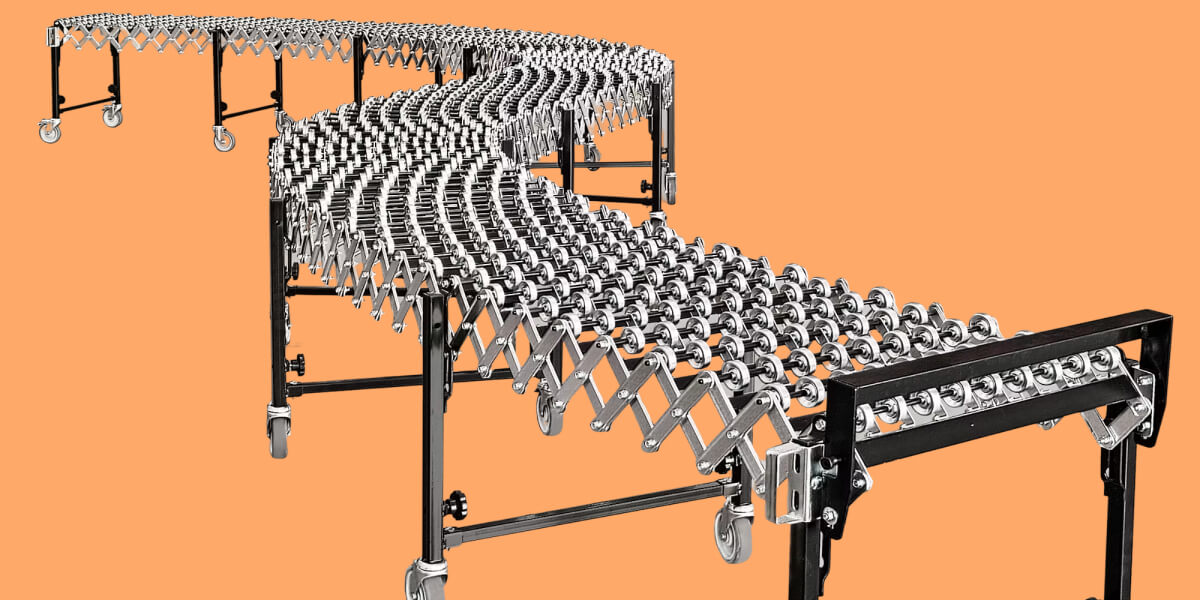


![[2026 Rankings] - Best Accumulation Tables and Accumulation Conveyors By Application (1)](https://dabrico.com/wp-content/uploads/2026/07/2026-Rankings-Best-Accumulation-Tables-and-Accumulation-Conveyors-By-Application-1.jpg "[2026 Rankings] - Best Accumulation Tables and Accumulation Conveyors By Application (1)")